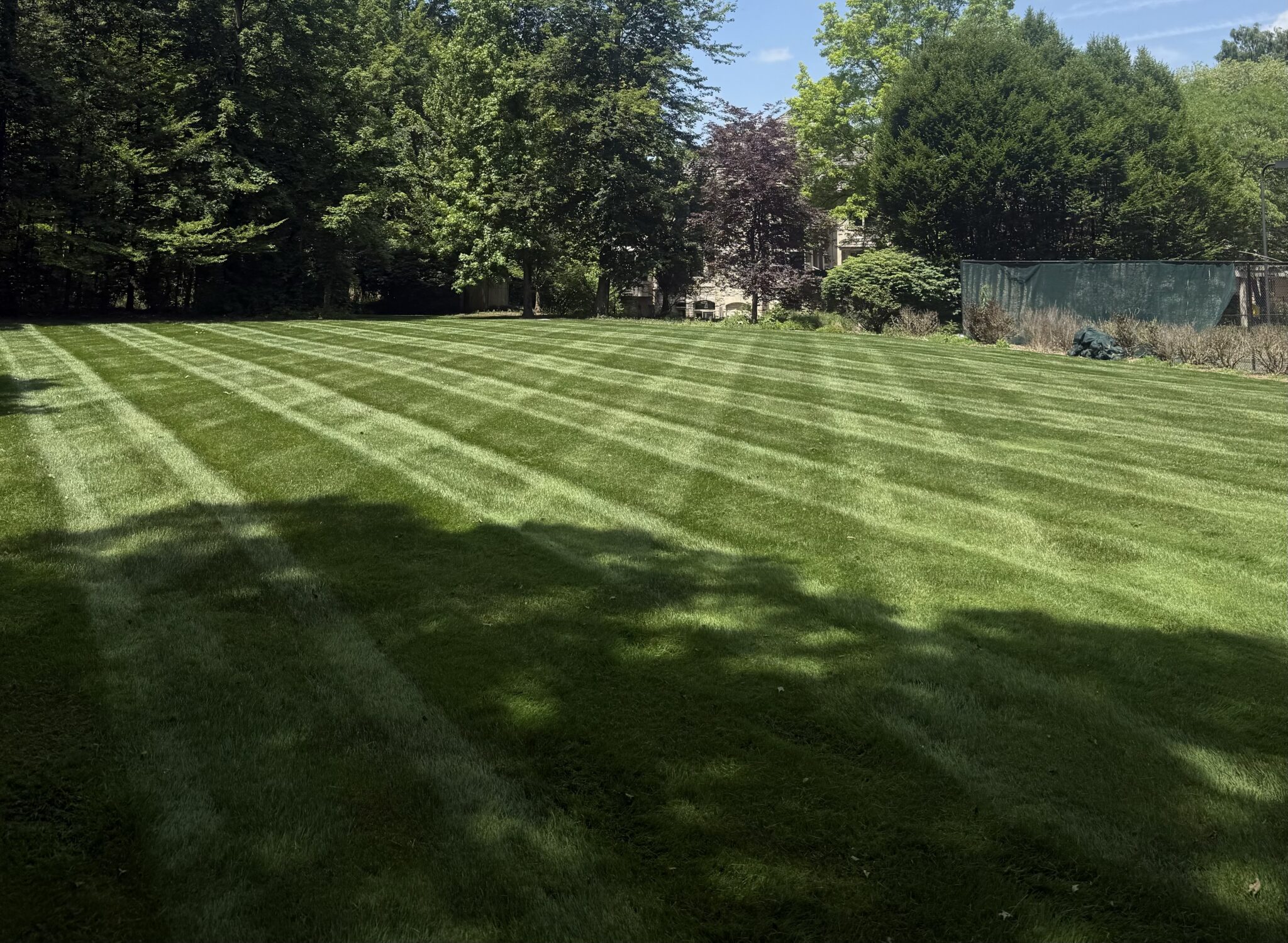
Lawn care, mowing & fertilization across Central Ohio

☎ 202 555 0123

Home

/

Services

/

Lawn Care

Lawn Care

Reliable Lawn Care Across Central Ohio

Your lawn is patchy and weeds keep returning.

Our weed control and fertilization services create thick, green grass that stands out.

Free

No-obligation estimates

10

Central Ohio communities

1 day

Typical reply time

Get your free estimate

We reply within one business day.

Thanks, we've got it. We'll call you within one business day with your estimate.

Or call 202 555 0123

✓

Free estimates

Tell us about your lawn and we'll send a clear price before any work starts. No obligation.

✓

Local Ohio crew

We serve Delaware, Dublin, Powell, Columbus and nearby Central Ohio towns.

✓

On schedule, all season

Visits are planned around the growing season, so your lawn gets the right care at the right time.
Why it matters

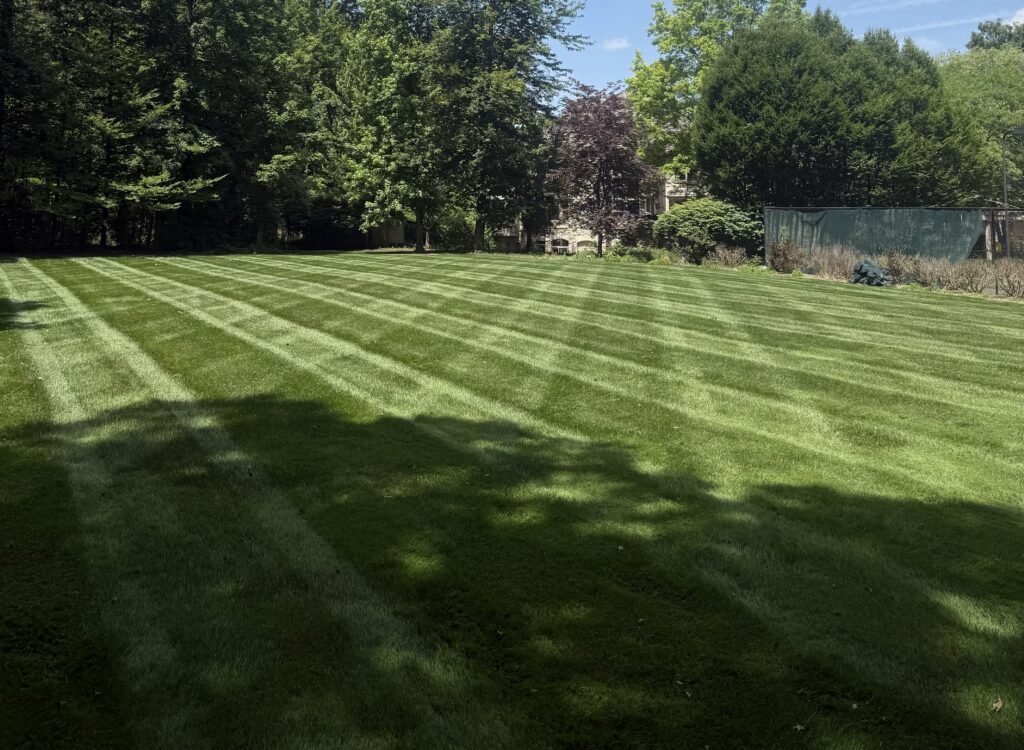
Weak turf opens the door to weeds

Bare spots give weed seeds a place to take hold. Once they settle in, they spread into the healthier grass around them. The longer that cycle runs, the more of the lawn you have to repair.Lawn care also keeps the whole yard ready for the season ahead. Core aeration loosens compacted soil so water, air, and nutrients can reach the roots. Overseeding thickens thin turf before small gaps turn into larger problems.

What's included

Our Lawn Care services

Every service below is part of our Lawn Care program. Tap one to see what's included.

Lawn Care

How it works

Get free quote

1

2

3

4

5

Pricing guide

What Lawn Care Services Cost

This table lists common lawn care services and their typical price ranges. Each row shows a service and what a single visit or application costs. For mowing, the price depends on lawn complexity, including obstacles, slopes, and property access. Other service prices vary with lawn size.

Lawn Care ServiceLawn Care PriceUnit
Fertilization$45 to $139per application
Weed Control$45 to $120per application
Aeration$120 to $275per visit
Lawn Mowing$55 to $105per week
Fertilization and Weed Control$75 to $175per application
Overseeding$180 to $400per application

These prices are estimates for typical properties. The final cost for any service depends on the specific size and condition of the lawn. An exact quote is provided for every job before work begins.

Feeding on a Schedule

Feeding happens on a schedule, not once and done. Six granular applications run through the growing season, and the same program carries six rounds of weed treatment plus one for insects. Grass gets what it needs to fill in and hold its ground.

Compacted ground gets opened with core aeration so water and nutrients get down to the roots. Thin patches get overseeded, and weekly mowing keeps edges trimmed and hard surfaces clear. Our Lawn Care ties those visits together.

Spring Sets the Pace

Lawns in Columbus wake up fast once the ground warms, and spring is when this work matters most. Weeds get a head start before the grass has filled in. The first feeding and treatment of the season lands in that window.

Heat through midsummer slows growth and dries the soil. Regular visits keep feeding and weed treatment going while the grass is under stress. Aeration and overseeding then handle whatever the hot weeks left thin.

Inspection First, Then Timing

Work starts with an inspection. A technician identifies the turfgrass and any weeds, checks for conditions that could affect treatment, and estimates the area to be covered. A soil test, when one is available, guides which nutrients go down. Applications are skipped on frozen or snow-covered ground, since fertilizer cannot be taken up by turf that is not growing.

Core aeration pulls small plugs of soil and thatch from the surface instead of poking narrow holes. Fall works well because cool-season grass can grow roots and recover while moisture is usually available. For overseeding, the existing turf is cut short enough to expose soil. Spring seeding is less reliable because seedlings face heat, competition, and a shorter window.

Before cutting, the operator checks the lawn for stones, branches, toys, and pet waste. Insect treatment is timed to the life stage and seasonal activity of the target insect, not added to every visit. Late-season applications go down while turf is still growing. The first fall freeze at 32°F usually arrives around October 27.

Why the Canopy Thickens

Granular fertilizer carries mineral nutrients that dissolve in soil water and become available to turfgrass roots. The soil also stores and exchanges some of those nutrients for later uptake. Potassium helps the plant regulate water and dissolved substances and tolerate environmental stress.

Selective weed control uses biological differences between unwanted plants and turfgrass, so weeds are suppressed while established grass is kept when the right product is chosen and applied. Effective treatments cut the number, size, and seed production of broadleaf and grassy weeds, giving the turf more light, water, and nutrients. A thicker canopy leaves less bare soil, though fertilizer does not remove weeds already present.

Core aeration opens channels where air, water, and roots move more readily, and it raises infiltration where compaction slowed water’s downward path. Mowing removes part of the leaf canopy, so enough leaf area remains for photosynthesis that feeds roots and new leaves. Seed germinates when it contacts moist soil, and more plants in thin spots make the canopy more continuous.

Overgrown Grass Limits

Columbus lets grass and weeds reach 12 inches on any property, though farm or garden land and qualifying native pollinator gardens are exempt. Dublin draws the line at 6 inches and includes the ground around the house, trees, and the rest of the yard. Both sit above a normal mowing height, and one limit follows a season.

New Albany limits lawn grass and its adjoining right-of-way to 8 inches from March 1 through October 31. Worthington bars noxious weeds, unwanted plants, or grass over twelve inches, gone to seed, or uncut after an order. Its Director of Service can issue a five-day notice, then arrange cutting and charge the responsible person. More rules vary by place.

A Dog Yard's Feeding Plan

Take a yard a dog runs every day. Daily use asks a lot of the grass, and a lawn like that needs steady feeding to hold up. The six-step program applies a granular fertilizer six times over the growing season. Each application feeds the turf and leaves the yard looking better.

SMIGGS Lawn Care

Let's talk about your lawn

Questions about the service or your yard? Get in touch.

☎

202 555 0123

Call us

@

test@testmail.com

Email us

◎

Delaware, Dublin, Powell & Central Ohio

Service area

◷

Mon - Sat: 6AM - 6PM

Working hours

Send us a message

We'll respond within one business day.

Message sent. Thanks, we'll be in touch within one business day.

Where we work

Lawn Care in your town

Pick your town for local timing, pricing and a quote from the crew that works your area.

Don't see your town? Ask us and we'll let you know if we can reach you.

Common Questions About Lawn Care

How do you turn a patchy lawn into thick, green grass?

We pair weed control with fertilization to help thin, patchy grass fill in and look strong again. Those two services sit at the center of our lawn care work.

Why do weeds take over bare spots in my lawn?

Weed seeds find open ground in bare spots and take root quickly. From there they creep into the healthy grass nearby, and the longer that goes on the more repair the lawn needs. Core aeration and overseeding help close those gaps.

How much does Lawn Care cost for my yard?

Prices depend on the service. Fertilization runs $45 to $139 per application, aeration $120 to $275 per visit, and mowing $55 to $105 per week. Mowing prices change with lawn complexity, including slopes, obstacles, and how easy the property is to reach, while other services vary with lawn size.

How often do you feed the lawn and treat weeds?

We feed six times across the growing season with a granular fertilizer. That same program includes six weed control rounds and one insect treatment. Weekly mowing runs alongside those visits, trimming edges and clearing clippings from hard surfaces.

Why does spring matter most for my lawn care?

When the soil warms, grass takes off and weeds get an edge while the turf is still thin. That window is when the season's first feeding and weed treatment go down. Through the hot midsummer weeks, we keep the feeding and weed treatment schedule going while the grass is stressed.
Secret Link