Lawn care, mowing & fertilization across Central Ohio

☎ 202 555 0123

Home

/

Services

/

Landscaping

Landscaping

Trusted Landscaping Across Central Ohio

Your flower beds are overrun with weeds and bare spots every time you come home.

Smiggs Lawn Care removes the weeds and plants new flowers for a vibrant look.

Free

No-obligation estimates

10

Central Ohio communities

1 day

Typical reply time

Get your free estimate

We reply within one business day.

Thanks, we've got it. We'll call you within one business day with your estimate.

Or call 202 555 0123

✓

Free estimates

Tell us about your lawn and we'll send a clear price before any work starts. No obligation.

✓

Local Ohio crew

We serve Delaware, Dublin, Powell, Columbus and nearby Central Ohio towns.

✓

On schedule, all season

Visits are planned around the growing season, so your lawn gets the right care at the right time.
Why it matters

Weekends vanish in the garden

An unkempt bed makes even a well-maintained lawn look neglected. It becomes a point of stress every time you pull into the driveway. The joy of your outdoor space is replaced by a persistent sense of defeat.Fresh plantings and clean edging bring a sense of order to your yard. They define spaces and draw the eye naturally. It is the kind of detail that quietly announces a home is cared for.

Landscaping

How it works

Get free quote

1

2

3

4

5

Pricing guide

Landscaping Project Costs in Central Ohio

The table shows price ranges for common landscaping jobs, from small refreshes to larger cleanups. Each price is for a single visit. The final cost depends on the size and complexity of the work. All landscaping projects have a minimum charge.

Job SizeLandscaping PriceUnit
Small bed refresh or edging$350 to $600per visit
Bed refresh with plantings$600 to $1,200per visit
Multiple beds or heavier cleanup$1,200 to $1,800per visit

These prices are estimates for typical projects. The actual cost for any job depends on the property's specific needs and current condition. A firm quote is provided for every project before work begins.

Order Back In The Beds

We clear out the overgrowth, pull what does not belong, and shape the beds back into something you can see. Then new plants go in where the gaps were, and the edges get cut crisp again.

It is landscaping in the plain sense: small bed refreshes, plantings, and edging. The result is a yard where the beds hold their shape instead of spilling over the walk. That alone changes how the whole property looks from the street.

Timing Work Around The Weather

Summers bring long dry stretches, and winter swings between hard freezes and mild, wet spells. Beds in Powell feel both, and plants set in the wrong week can struggle. That shapes when the work gets done.

So the work follows the season rather than the calendar. Edging and bed refreshes land in the cooler weeks, and new plants go in when the ground is workable and rain is not washing everything out.

Tools, Soil And Spacing

The work starts by assessing the bed: its location, existing plants, drainage, soil condition, sunlight, and any conflict with utilities or structures. Plants are chosen for the site’s light, moisture, mature size, and winter hardiness, then set out at their intended spacing before planting. The site needs to match what the mature plant will require as it grows.

Common hand tools include a spade, shovel, garden fork, rake, hand trowel, hoe, pruners, measuring tape, string line, and edging tool. Materials usually include container-grown or balled plants, excavated soil, compost or another approved amendment when a soil test or site condition supports it, stakes or ties when needed, and organic mulch.

Planting is generally scheduled between the usual last spring freeze and the usual first fall freeze, a growing season of about 191 days. Bed refreshes and edging can be done whenever the soil is workable. New plantings are watered right away to settle the soil, and the work is postponed during active heat, drought, severe storms, or imminent frost.

Why Loose Soil Matters

Refreshing a bed restores a loose, porous rooting zone where air, water, and roots move through the soil. Loosening compacted ground increases pore space, improving infiltration, drainage, and oxygen around roots. Working saturated soil destroys pore spaces and compacts it, so bed work waits for workable ground.

Edging sets a distinct boundary that limits the lateral movement of soil and organic debris and holds the bed’s intended shape. Removing or separating encroaching vegetation sharpens the surface transition and slows the bed’s gradual expansion.

Freezing weather constrains planting dates because roots and new top growth are vulnerable before they establish. The last spring freeze at 32°F usually comes near April 18, and one year in ten as late as May 5. Plants whose light, moisture, drainage, or temperature needs differ from the site can decline.

Local Rules Differ by Place

Powell requires 14 feet of clearance above the road for trees in its public right-of-way, which is where a bed at the curb often ends. Dublin looks to the ground instead: a homeowner has to keep the yard and the surrounding area clean and sanitary, with no buildup of garbage or waste, yard clippings and tree branches included.

Delaware and Dublin both govern what yard work leaves behind for collection. Delaware caps branch bundles at 4 feet long and 18 inches across, and Dublin asks for string or twine on each bundle, no wider than 2 feet. Edging and bed work produce clippings to bundle. More rules than these apply, and they differ from place to place.

A Townhouse Bed Refresh

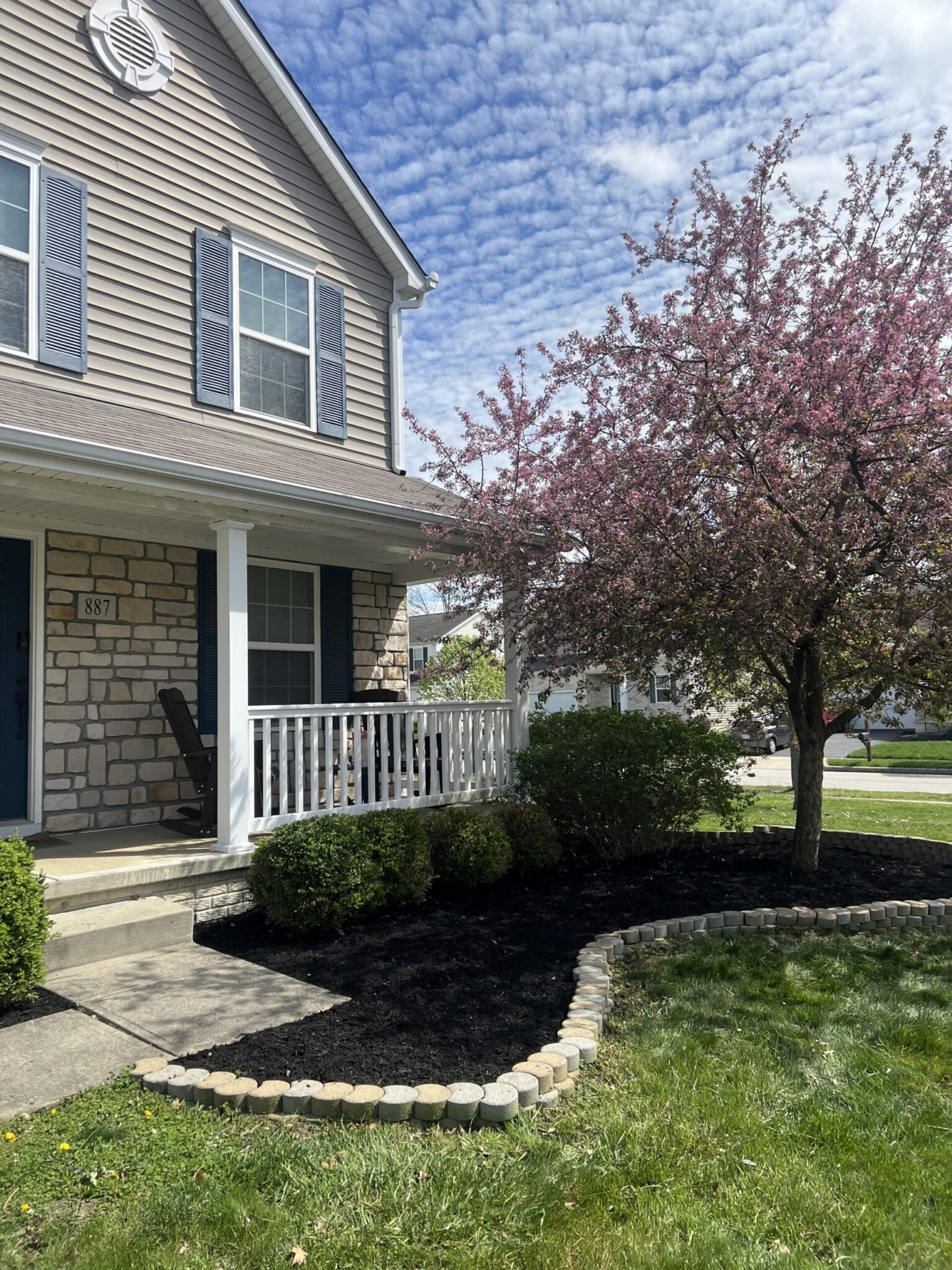
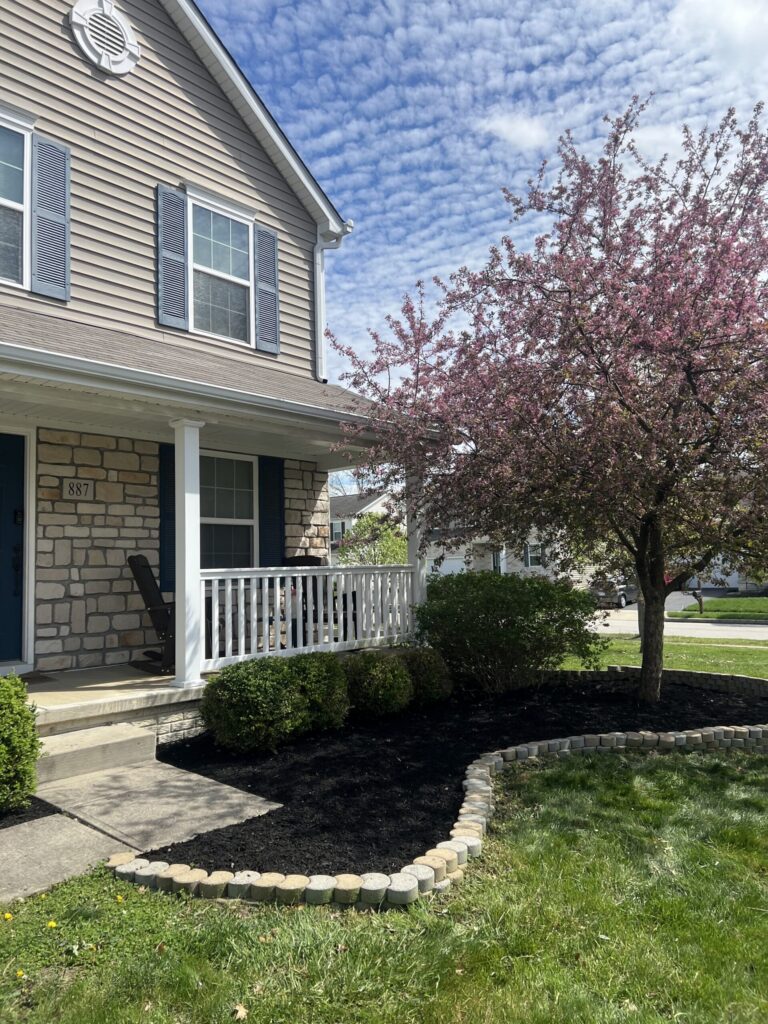
Take a small front lawn at a townhouse where the bed has lost its shape and the edge has blurred into the grass. The work starts with a small bed refresh and new plantings, then the edging is cut clean again. Afterward the bed holds a crisp line and the front looks sharp.

SMIGGS Lawn Care

Let's talk about your lawn

Questions about the service or your yard? Get in touch.

☎

202 555 0123

Call us

@

test@testmail.com

Email us

◎

Delaware, Dublin, Powell & Central Ohio

Service area

◷

Mon - Sat: 6AM - 6PM

Working hours

Send us a message

We'll respond within one business day.

Message sent. Thanks, we'll be in touch within one business day.

Common Questions About Landscaping

Do you pull weeds and plant new flowers in my beds?

We pull the weeds from your flower beds and set new flowers in the bare spots. The result is a bed that looks sharp again instead of weedy and bare.

Why does an untended bed make my whole yard look bad?

A bed left untended can make even a lawn you keep up look neglected, and it turns into a source of stress each time you get home. Tidy edges and fresh plantings put the space in order and give the eye somewhere to land.

How much does landscaping cost for a bed refresh?

A small bed refresh or edging runs $350 to $600 for one visit. A bed refresh with new plantings is $600 to $1,200, and several beds or a heavier cleanup run $1,200 to $1,800. We charge a minimum on every project, and the price moves with how big and complex the job is.

Why does loose soil matter when you refresh a bed?

A bed refresh brings back a loose, porous rooting zone so air, water and roots can move freely. Loosening compacted ground opens pore space, which helps water soak in, drain, and reach the roots. Because working saturated soil destroys those pores, we wait for ground that is workable.

Do I need to bundle the clippings from bed work?

Clippings from edging and bed work may need bundling for collection, and bundles can have limits on their length and width. String or twine around each one may also be required. Other rules beyond these apply as well.

Secret Link