Lawn care, mowing & fertilization across Central Ohio

☎ 202 555 0123

Home

/

Services

/

Overseeding

Overseeding

Thicken Your Lawn with Overseeding Across Central Ohio

Your lawn has bare spots that won't fill in, no matter how much you water.

Smiggs Lawn Care overseeds with quality grass seed to thicken your lawn and reduce weeds.

Free

No-obligation estimates

10

Central Ohio communities

1 day

Typical reply time

Get your free estimate

We reply within one business day.

Thanks, we've got it. We'll call you within one business day with your estimate.

Or call 202 555 0123

✓

Free estimates

Tell us about your lawn and we'll send a clear price before any work starts. No obligation.

✓

Local Ohio crew

We serve Delaware, Dublin, Powell, Columbus and nearby Central Ohio towns.

✓

On schedule, all season

Visits are planned around the growing season, so your lawn gets the right care at the right time.
Why it matters

Thin grass making way for weeds

Maybe you've tried spot-seeding, only to watch the new shoots dry up or get choked out by weeds. Each season those bare areas grow a little larger, and the cycle feels impossible to break.Overseeding also introduces vigorous grass varieties better suited for summer heat and foot traffic. This helps your lawn stay green and healthy when others start to brown.

Where we offer it

Overseeding in your town

Available in 10 Central Ohio towns. Tap your town to see local details and get a quote.

Don't see your town? See all our service areas or ask us and we'll confirm.

Overseeding

How it works

Get free quote

1

2

3

4

5

Pricing guide

Lawn Overseeding Prices in Central Ohio

This table shows typical price ranges for lawn overseeding. Each row represents a different lawn size, from small to very large. The price shown is for a single application of new grass seed spread over an existing lawn to encourage thicker growth.

Lawn SizeOverseeding PriceUnit
Small lawn, under 5,000 sq ft$180 to $220per application
Standard lawn, 5,000–10,000 sq ft$220 to $300per application
Large lawn, 10,000–20,000 sq ft$300 to $360per application
Very large lawn, 20,000+ sq ft$360 to $400per application

These prices are estimates for general guidance. The final cost for any project depends on the lawn's specific size and current condition. A detailed quote is provided for every job before work begins.

Thicker Grass in Thin Spots

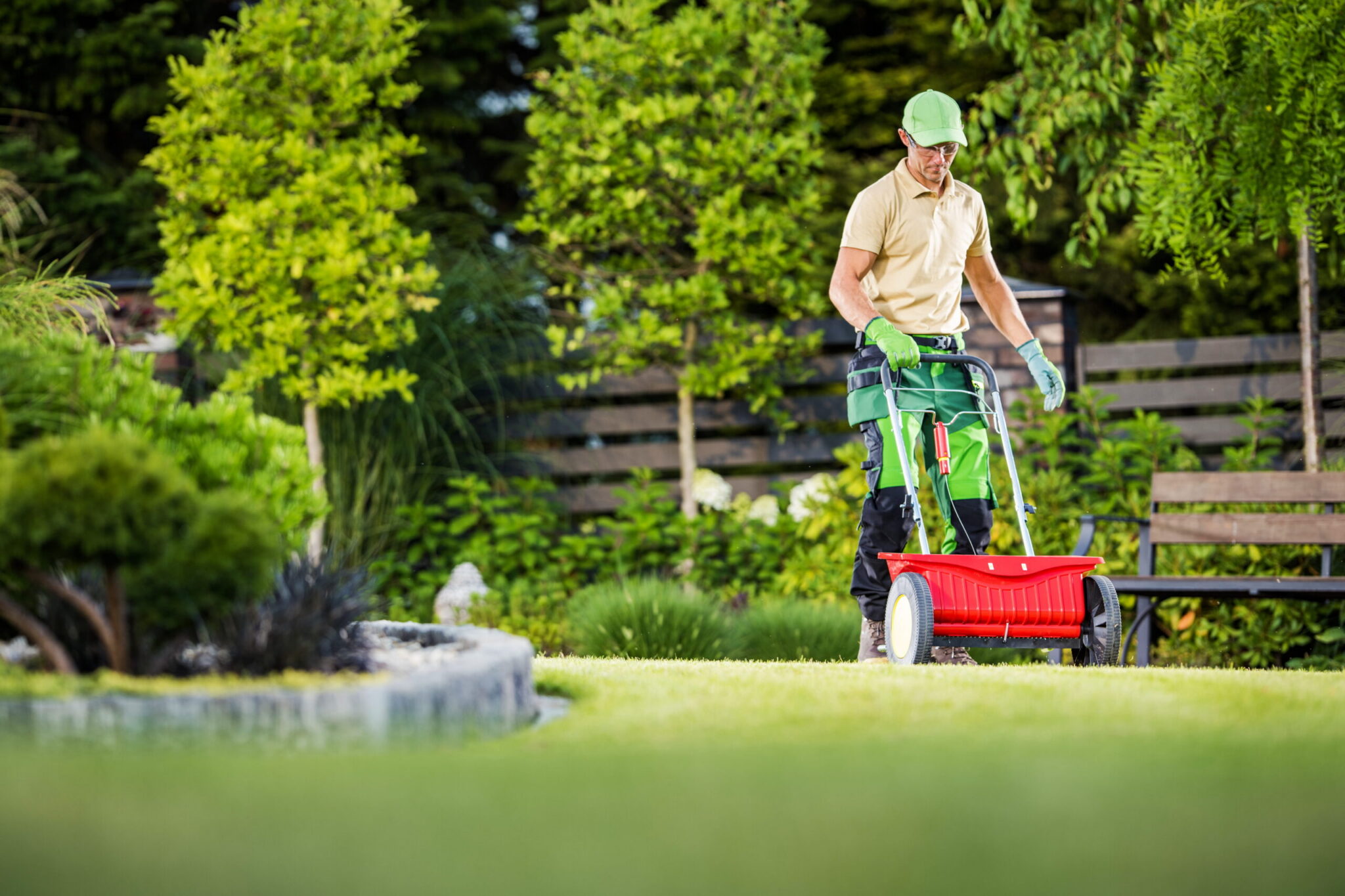
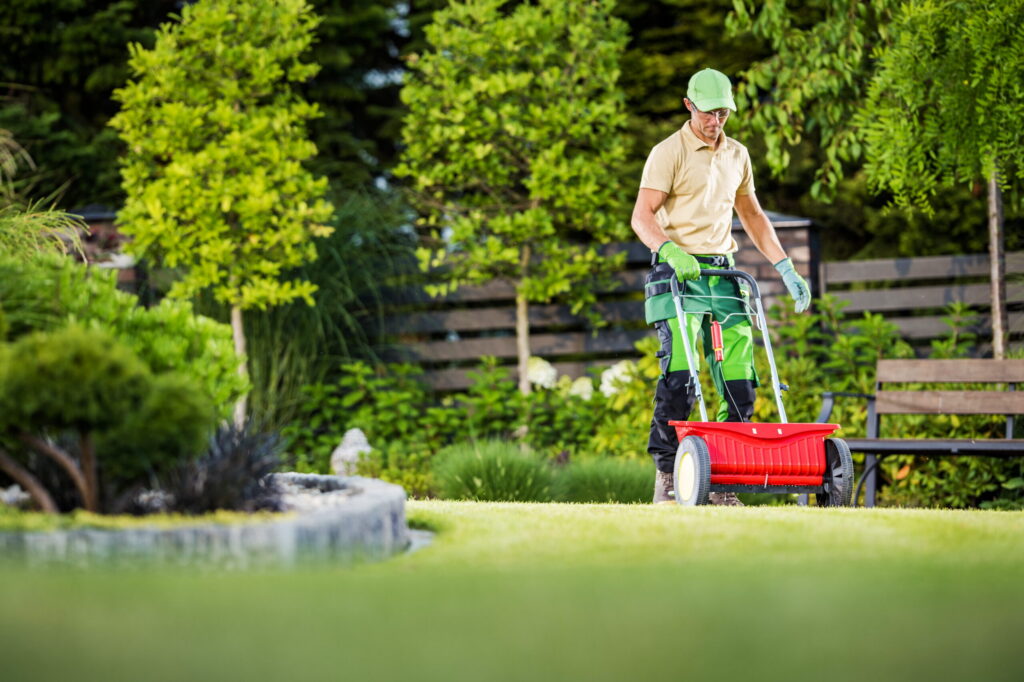
A spreader lays fresh seed directly into the ground you already have. It drops into the gaps where grass has worn away, giving those patches a chance to knit back together.

Overseeding turns a patchy yard into one that fills in on its own instead of thinning further each year. You end up with denser, greener growth across the whole lawn, and less open ground for weeds to settle into.

Time Back From Seeding Chores

In Delaware, seeding around work and family time can eat up the daylight hours. The work itself is simple, but it wants attention at the right moments, and those rarely land on a free Saturday afternoon.

We handle the spreading so you are not hauling bags across the yard or guessing at how much each patch needs. What is left for you is watching the new growth come through.

Spreaders, Soil, and Schedule

Mowing the existing turf short exposes the soil surface while leaving the grass able to recover. Seed goes out uniformly with a broadcast or drop spreader, and overlapping passes cut down on skipped strips. A rotary broadcast spreader covers broad areas, while a drop spreader places seed precisely near edges and in tight spaces.

Where compaction limits soil contact and water entry, a core aerator is an alternative preparation tool. Late summer through early fall suits cool-season grass best, since soil stays warm while air temperatures become more favorable. Spring overseeding is less reliable because seedlings face rising heat, competition from established turf, and a shorter period before summer stress.

Seed germinates best when the soil surface stays moist, and light, frequent watering keeps it that way until germination and early rooting. Heavy shade, severe compaction, thick thatch, and persistent surface wetness reduce establishment by limiting light, oxygen, or soil contact. The lawn is not allowed to shade the seedlings, and the first cut waits until new grass stands upright.

Why Moisture Drives Germination

New grass seed succeeds when it contacts moist soil closely enough to absorb water and begin germination. Existing grass can protect seed and seedlings without blocking the light or access to soil that establishment needs. Insufficient moisture during germination can produce patchy emergence, because small seedlings cannot sustain growth once the seed reserves are depleted.

The work increases the number of grass plants in thin areas, which can make the turf canopy more continuous after establishment. As seedlings mature, their shoots and roots add living organic matter to the lawn system.

The last spring freeze usually comes around April 18, and one year in ten as late as May 5. Spring establishment can face damaging cold after emergence. The growing season from the last spring freeze to the first fall freeze lasts about 191 days, so overseeding too late leaves seedlings without time to build roots and shoots.

Rules That Affect Seeding

In Westerville, odd addresses water lawns on odd days and even addresses on even days all year, while shrubs and trees are exempt. Delaware’s rule instead keeps grass trimmings, sticks, sod, soil and rocks out of tipcarts, so debris from thin spots goes elsewhere. Both matter for seeding, and more rules than these exist and differ from place to place.

Overseeding a Wooded Backyard

Picture a yard that backs onto a wooded lot, where the existing lawn has thinned out in spots. We spread new seed over that lawn, letting it drop into the bare patches. The seed fills those gaps, and the grass grows in thicker and greener across the yard.

SMIGGS Lawn Care

Let's talk about your lawn

Questions about the service or your yard? Get in touch.

☎

202 555 0123

Call us

@

test@testmail.com

Email us

◎

Delaware, Dublin, Powell & Central Ohio

Service area

◷

Mon - Sat: 6AM - 6PM

Working hours

Send us a message

We'll respond within one business day.

Message sent. Thanks, we'll be in touch within one business day.

Common Questions About Overseeding

Why do thin spots keep widening and letting weeds move in?

Bare patches tend to spread each season, and weeds choke out the young shoots from spot-seeding. Overseeding brings in tougher grass types that stand up to summer heat and foot traffic, so the lawn stays green while other yards turn brown.

How much does overseeding cost for a standard lawn?

A lawn between 5,000 and 10,000 sq ft runs $220 to $300 per application. Smaller yards under 5,000 sq ft run $180 to $220, while very large lawns at 20,000+ sq ft go from $360 to $400.

When is the best time of year to overseed a lawn?

Late summer into early fall suits cool-season grass, since the soil is still warm while the air cools down. Spring seeding is less dependable, as young grass faces hotter days, rival growth from the lawn already there, and a shorter stretch before summer stress.

Do any local rules affect watering a newly seeded lawn?

Some places tie lawn watering to your address, with odd-numbered homes watering on odd days and even-numbered homes on even days all year, and shrubs and trees left out of that schedule. Other rules say yard waste like sticks, sod and rocks must stay out of tipcarts, and these rules differ from place to place.

Can you overseed a yard that backs up to woods?

Yes, we spread new seed over the lawn you already have and let it settle into the open patches. Those gaps fill in, and the grass comes through thicker and greener across the yard.
Secret Link