Lawn care, mowing & fertilization across Central Ohio

☎ 202 555 0123

Home

/

Locations

/

Westerville, OH

Westerville, OH

6 of 9 services

Expert Lawn Care In Westerville

Dandelions, clover, and crabgrass are staging a takeover of your Westerville lawn and they don't plan on leaving.

Get a weed-free lawn with our six-step program that targets invaders all season, letting your grass grow thick and healthy.

Free quote in Westerville

We reply within one business day.

Thanks, we've got it. We'll call you within one business day with your quote.

Or call 202 555 0123

Lawn care in Westerville, OH

Weeds Starve Your Grass of Sun and Water

You mow and those weeds just shoot right back up. Their roots steal every bit of water you put down. Your grass gets weaker by the week, while bare patches spread. Westerville’s wet springs and humid summers give weeds an unfair advantage. Compacted soil traps moisture, suffocating roots. Our aeration and weekly mowing help your grass stay healthy and dense all year.

Grass That Holds Its Ground

A technician starts by walking the lawn and identifying which weeds are present, then picks treatments that fit them. Our fertilization and weed control program runs six granular applications across the growing season, each one spread evenly with a calibrated spreader.

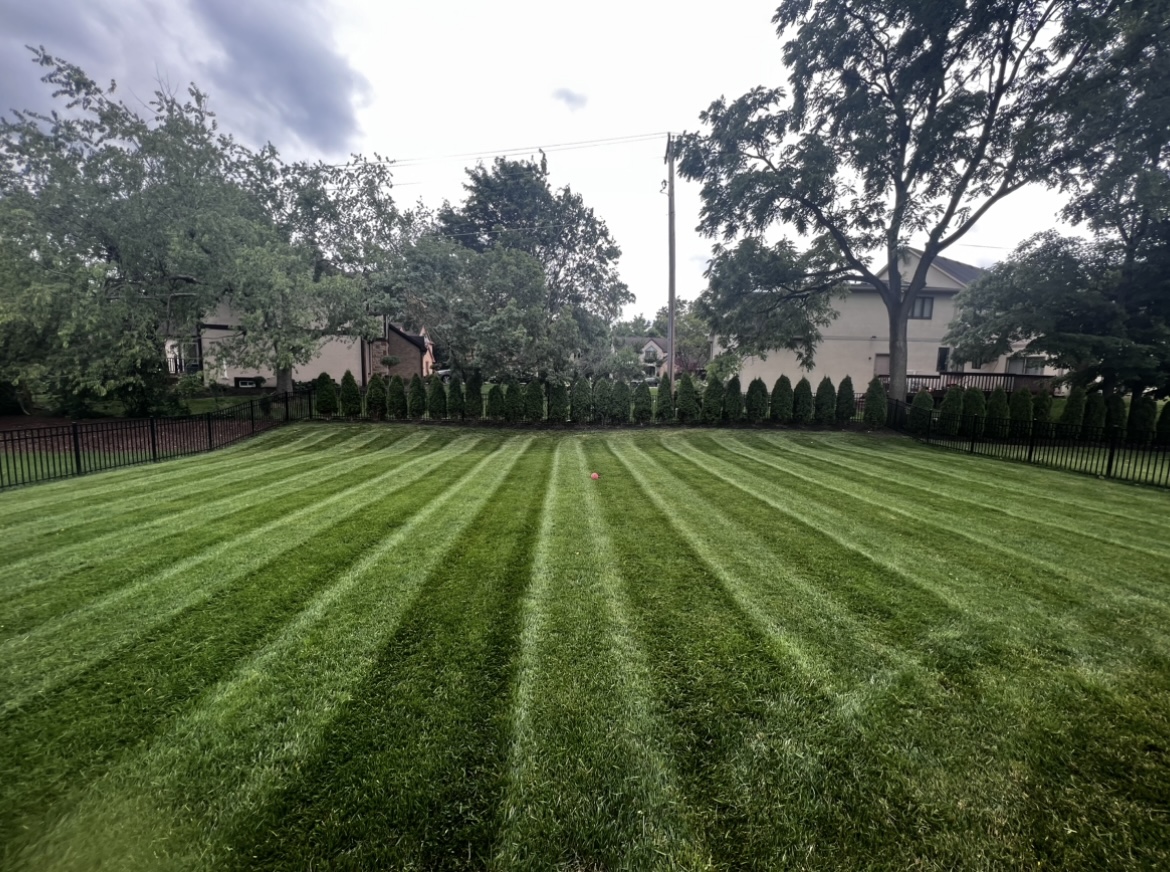
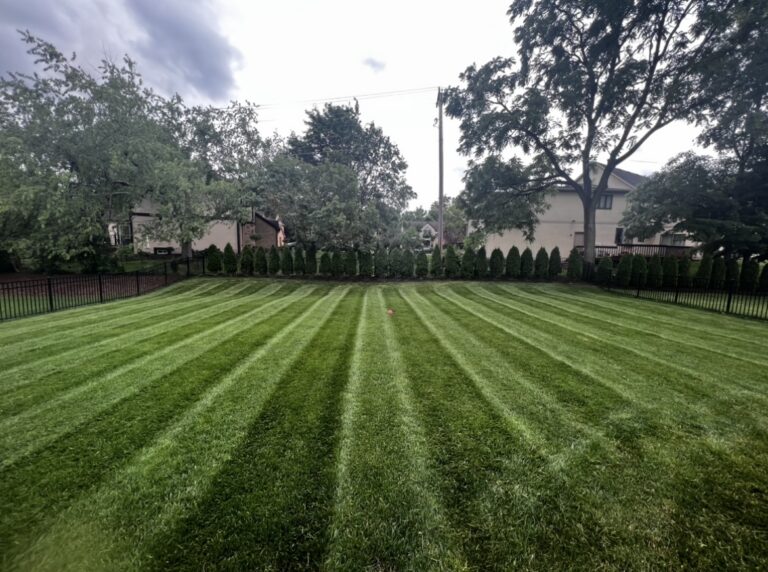
Weed treatments follow through spring and summer, chosen for what is actually growing in the turf. One insect treatment is added when damaging populations warrant it. The payoff for Westerville lawns is density: fewer bare spots and grass that fills the space weeds were using.

Thicker Grass Without the Weekend

Overseeding spreads new seed over the grass you already have, after a short mow and a pass that clears thatch so seed can reach soil. Bare and thin spots get extra seed, and the result is a denser surface instead of gaps.

What it takes off your hands is the setup: cutting the grass short, clearing thatch and debris, measuring seed, and walking overlapping passes so nothing gets skipped. On a Westerville lawn, that is an afternoon with a spreader instead of a free Saturday. The time comes back to you.

What the Subsoil Controls

The ground around Westerville was shaped by glaciers, and it shows in a mix of several named soil series laid down in till. Higher, sloping ground tends to be loam or clay loam, while low, level spots hold finer, wetter sediment. That difference decides which lawns shed water and which sit wet.

Clay-heavy subsoil here slows water on its way down, even where the top layer lets some through. Ground that stays wet compacts under mowing gear, and saturated soil keeps roots shallow. Mowing waits while the soil is saturated, since ruts crush pore space. Overseeding waits too, because seed will not take in waterlogged ground.

Turf does best when soil pH sits between 6.0 and 7.0, where nutrients stay available. Above that range, several micronutrients get harder for grass to take up. Core aeration breaks up compacted ground, opening pores so air, water and nutrients get down to the roots. The plugs left behind dry, crumble, and return organic matter to the turf.

When Growth Actually Happens

Grass grows hardest here in spring and fall, while July heat near 85°F slows it. The last freeze comes around April 18 and the first around October 27. Fertilizer pays off most between them, and mowing is needed more often while growth runs strong. Seed establishes best in the same stretch, before summer heat or winter dormancy.

Roughly 42 inches of rain falls each year, spread across every month, and January brings about 9.5 inches of snow. Weed treatments follow how the season unfolds rather than a set calendar, since cool-season grass and common weeds answer to temperature and moisture. Winter freeze and thaw cycles lift the soil and unsettle shallow roots and new turf.

Westerville Cutting and Watering Rules

Westerville limits grass and noxious weeds to eight inches and forbids letting them go to seed, and a notice gives five days to cut. That cap sets the mowing interval. A lawn left uncut past the notice can be abated by the city, with the cost charged to the property, and the code allows prosecution.

Mowing leaves clippings, which go in paper bags or unlined cans, never in the street. Containers go out no earlier than 6:00 p.m. before pickup day. Watering is the other rule here, and it comes into play after overseeding: the year-round odd-even system ties lawn watering to the address, odd on odd days and even on even.

Six Feedings for Busy Backyards

Imagine a backyard in Westerville where children play most afternoons, and the turf under their feet thins while weeds take the open ground. We run six granular feedings over the growing season, along with six weed treatments and one insect treatment, all part of a pet-friendly program.

The result is a lawn that looks healthier and has far fewer weeds. The children spend their afternoons on grass instead of bare dirt. The backyard stays a green place to play.

Pricing

Westerville Lawn Care Prices

The table lists common lawn care services and their typical price ranges. Each price shown is for a single application or visit. For mowing, factors like lawn shape, obstacles, and slopes can affect the cost within the range.
ServicePrice in WestervilleUnit
Fertilization$45 to $195one granular fertilizer application
Weed Control$38 to $105one lawn treatment application covering approximately 3,000–7,500 square feet
Aeration$120 to $275one core-aeration visit
Lawn Mowing$55 to $105per week
Fertilization and Weed Control$75 to $175per application
Overseeding$180 to $400one overseeding application for one lawn
These prices are estimates for typical properties. The final cost for any service depends on your lawn's specific size and condition. A firm quote is provided for every job.

Service area

Serving Westerville and nearby

Westerville is one of 10 Central Ohio communities SMIGGS serves. We also work in these nearby towns:

Westerville lawn care FAQ

How do you stop dandelions, clover, and crabgrass from taking over my Westerville lawn?

Our six-step program goes after those invaders through the whole growing season. With the weeds kept in check, your grass has room to fill in thick and healthy.

Why do the weeds in my yard keep coming back after I mow?

Weed roots soak up the water you put down, so your grass weakens and bare patches spread. Our springs stay wet and our summers humid, which hands weeds an advantage here, and packed soil holds moisture that chokes roots. Aeration and regular mowing keep the turf dense.

How much does weekly mowing cost in Westerville?

Weekly mowing runs $55 to $105. Lawn shape, obstacles, and slopes can move the cost within that range. Other services, like aeration or fertilization, are priced per application or visit.

What does overseeding do for thin and bare spots?

We lay down new seed on top of your existing turf, following a short cut and a thatch-clearing pass so the seed touches soil. Thin and bare areas receive extra seed, which fills gaps and gives you a denser surface.

Is the six-step program pet-friendly for a yard where kids play?

Yes. Our program is pet-friendly and includes six granular feedings across the growing season, plus six rounds of weed control and one for insects. The payoff is a lawn with far fewer weeds and more grass for the kids to play on.
Secret Link