Lawn care, mowing & fertilization across Central Ohio

☎ 202 555 0123

Home

/

Services

/

Aeration

Aeration

Revitalize Your Lawn with Aeration Across Central Ohio

Your grass looks thin and water pools on top.

Smiggs Lawn Care aerates the soil so roots get the air and nutrients they need.

Free

No-obligation estimates

10

Central Ohio communities

1 day

Typical reply time

Get your free estimate

We reply within one business day.

Thanks, we've got it. We'll call you within one business day with your estimate.

Or call 202 555 0123

✓

Free estimates

Tell us about your lawn and we'll send a clear price before any work starts. No obligation.

✓

Local Ohio crew

We serve Delaware, Dublin, Powell, Columbus and nearby Central Ohio towns.

✓

On schedule, all season

Visits are planned around the growing season, so your lawn gets the right care at the right time.
Why it matters

Your soil feels like concrete

You're watering regularly, but most of it just runs off the surface. The grass roots can't push through the packed dirt, so they stay shallow and weak. You're left with a lawn that never seems to improve.Aeration punches small holes that break up that hard layer. It lets air, water, and nutrients travel straight to the root zone. This simple step helps your whole yard respond to feeding and rain.

Where we offer it

Aeration in your town

Available in 10 Central Ohio towns. Tap your town to see local details and get a quote.

Don't see your town? See all our service areas or ask us and we'll confirm.

Aeration

How it works

Get free quote

1

2

3

4

5

Pricing guide

Typical Costs for Lawn Aeration Service

This table shows typical price ranges for core aeration service. The rows list prices based on lawn size, measured in square feet. Each price range represents the cost for a single aeration visit for a lawn within that size category.

Lawn SizeAeration PriceUnit
Up to 5,000 sq ft$120 to $140per visit
5,000–10,000 sq ft$140 to $180per visit
10,000–20,000 sq ft$180 to $230per visit
20,000–25,000 sq ft$230 to $275per visit

These prices are estimates for planning purposes only. The final cost for any job depends on the specific lawn's size, layout, and condition. A firm quote is provided for every project before any work begins.

Room for Roots to Grow

Compaction is the reason water sits on top instead of soaking down. Core aeration pulls small plugs of soil from the lawn, which opens space between the particles. Once that space exists, moisture and oxygen can move past the surface.

Roots have room to spread. They reach deeper and wider instead of staying bunched near the top, and the grass can take up what rain and fertilizer bring. That is where Aeration does its work, giving the water a path down.

When Aeration Pays Off Most

Lawns in Westerville take a season of foot traffic and rain, and the ground under them packs down. Timing matters as much as the work itself. In Westerville, the window that counts is when grass is growing and can use the openings.

Spring and fall are when grass grows hardest, and roots make the most of the new space then. Aerating in a hot, dry spell or on frozen ground does little good. Match the work to a growing season and the soil holds the gain longer.

How the Machine Works

Core aeration lifts plugs of soil and thatch out of the turf rather than poking narrow holes in the surface. A powered aerator carries hollow tines on a rotating mechanism. Those tines push into the ground and lift cylindrical plugs out. The plugs stay on top to dry and break apart, so their soil returns to the turf surface.

Ballast or tine adjustments let the machine reach the right depth without tearing up the surface more than needed. The ground should be moist enough for the tines to pull intact cores, but not so wet that equipment smears or compresses it. Frozen, saturated, excessively dry, or hard ground is a reason to wait.

Cool-season grass is usually aerated while it is actively growing, in spring or fall. Fall often gives the best recovery window because moisture tends to be available and the grass can grow roots. Foot traffic and equipment should be kept off the lawn while the openings stay exposed.

What Happens Below Ground

Pulling cylindrical plugs leaves channels through the soil. Air, water, and roots move through those channels more easily than through packed ground. Water that would otherwise drain away instead soaks in and stays within reach of the root zone. Where compaction had blocked downward movement, the openings raise how much water the soil can take in.

The loosened soil improves gas exchange as well. Carbon dioxide can leave the root zone and oxygen can enter it. Cool-season grass recovers best in the cooler stretches of the growing season, when soil moisture and temperature support root growth without summer heat working against it.

The stretch between the last spring freeze and the first fall freeze usually runs about 191 days, a long window for recovery. Skip aeration on packed ground and the pores stay closed. Roots then stay shallow, water soaks in slowly, and growth is weak. Heavy traffic right after the work can close the openings before roots and soil structure settle.

Local Rules for Aeration Work

Aeration runs on powered equipment, and two cities set hours for the noise. Hilliard bars running mowers and other powered garden tools outdoors in residential neighborhoods from 10:00 p.m. to 7:00 a.m., because the noise crosses a property line. New Albany allows that equipment on Sunday, but not from 8:00 p.m. to 8:00 a.m. on any day.

Delaware handles the debris differently. There, yard waste such as grass trimmings, sticks, sod and rocks cannot go into tipcarts. The cores pulled from a lawn are left in place to crumble rather than bagged for a tipcart. More rules than these apply, and they differ from place to place.

Cores Open a Sloped Yard

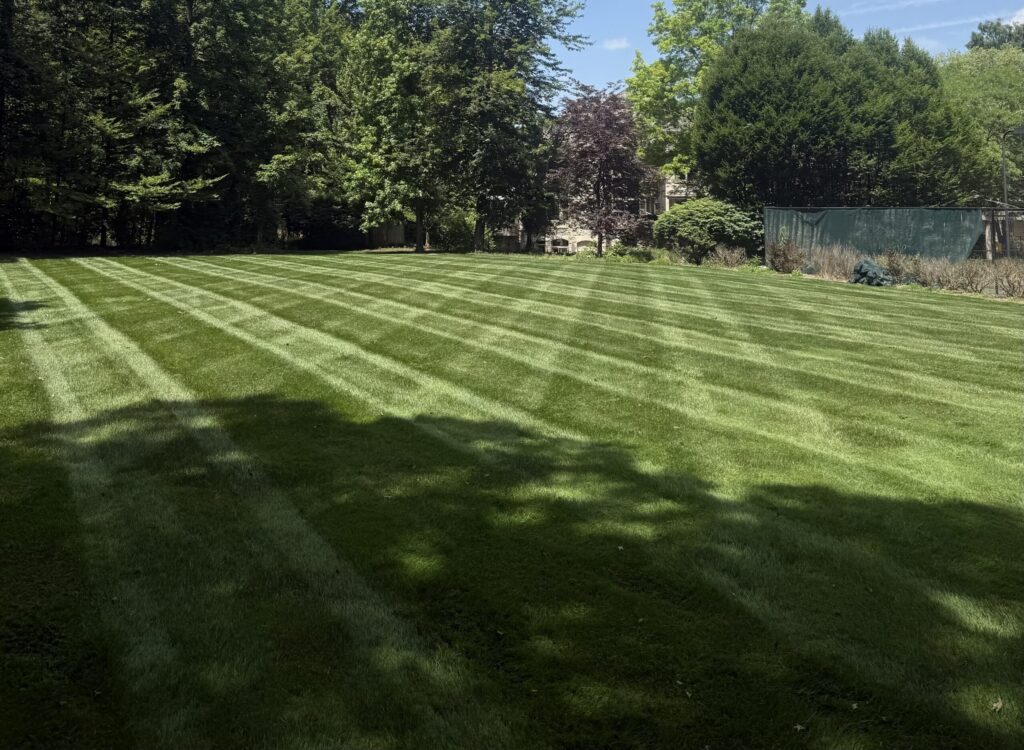
Imagine a front yard that slopes down to the sidewalk, where rain runs off because the soil below has packed tight. Smiggs Lawn Care pulls small cores from that ground, loosening the compacted layer so water, air, and nutrients get down to the roots. The openings give rain a path below the surface, where the grass can use it.

SMIGGS Lawn Care

Let's talk about your lawn

Questions about the service or your yard? Get in touch.

☎

202 555 0123

Call us

@

test@testmail.com

Email us

◎

Delaware, Dublin, Powell & Central Ohio

Service area

◷

Mon - Sat: 6AM - 6PM

Working hours

Send us a message

We'll respond within one business day.

Message sent. Thanks, we'll be in touch within one business day.

Common Questions About Aeration

Why does water run off my lawn instead of soaking in?

Packed dirt keeps roots shallow, so watering mostly runs off and the lawn stays weak. We punch small holes through that hard layer so air, water, and nutrients reach the root zone. That helps the whole yard use rain and feeding better.

How much does aeration cost for a lawn my size?

Typical prices are $120 to $140 per visit for lawns up to 5,000 sq ft, and $230 to $275 per visit for lawns of 20,000 to 25,000 sq ft. Each range covers one aeration visit, and the price follows lawn size in square feet.

When is the best time of year to aerate?

We time it for when grass is growing hardest, which usually means spring and fall. Roots use the new openings best then, and the soil keeps the gain longer. A hot, dry stretch or frozen ground will not help.

How does the core aeration machine lift plugs from the lawn?

A powered aerator has hollow tines on a rotating mechanism that push down and pull cylindrical plugs up. The plugs sit on top, dry out, and break apart, returning their soil to the turf. The ground needs enough moisture for the tines to pull whole cores, but not so much that the machine smears it.

What happens below ground after the plugs come out?

The removed plugs leave channels, and air, water, and roots travel through them far more easily than through packed soil. Rain that once drained away now sinks in and remains where roots can reach it. The loosened ground also lets carbon dioxide escape and oxygen enter.
Secret Link