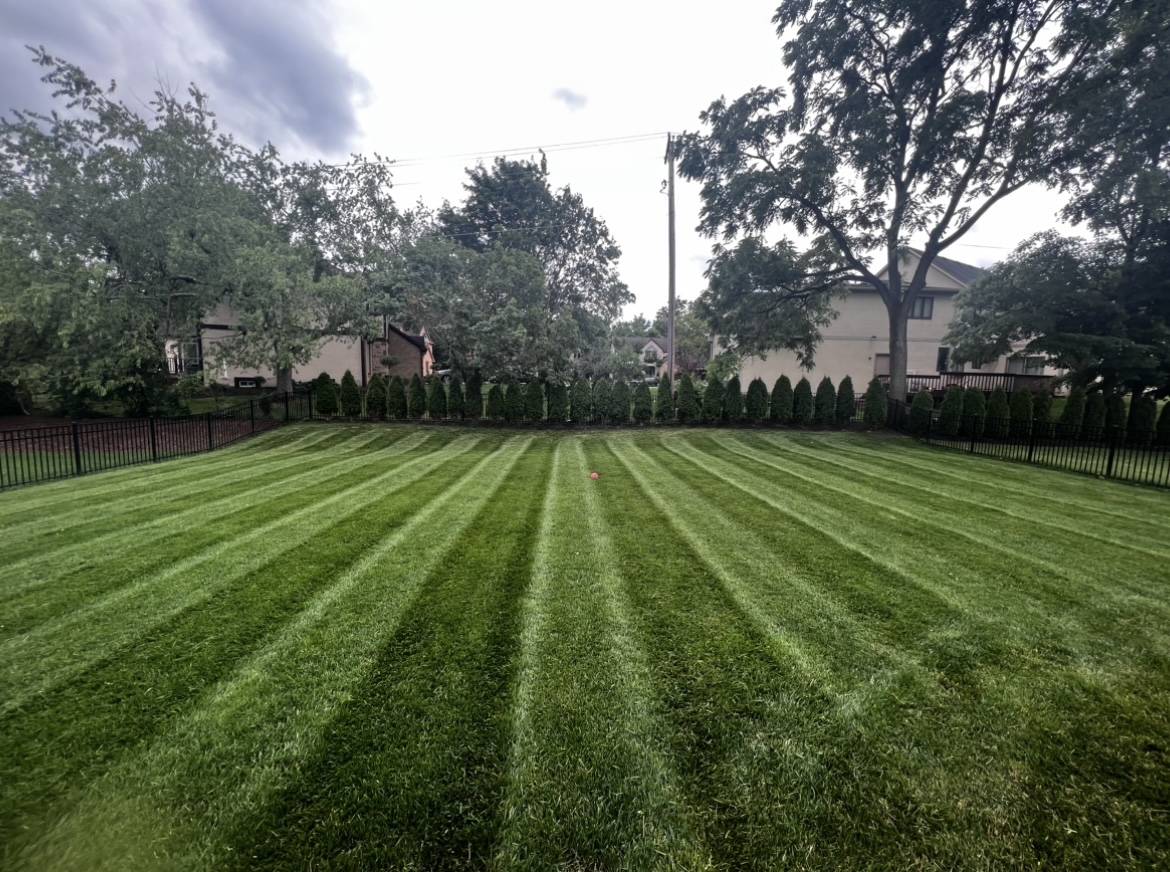
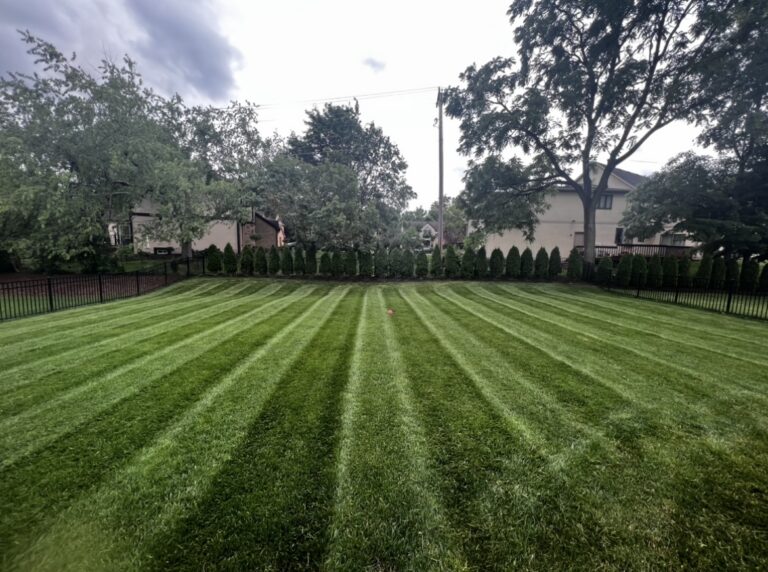
Lawn care, mowing & fertilization across Central Ohio

☎ 202 555 0123

Lawn Care in Dublin, OH

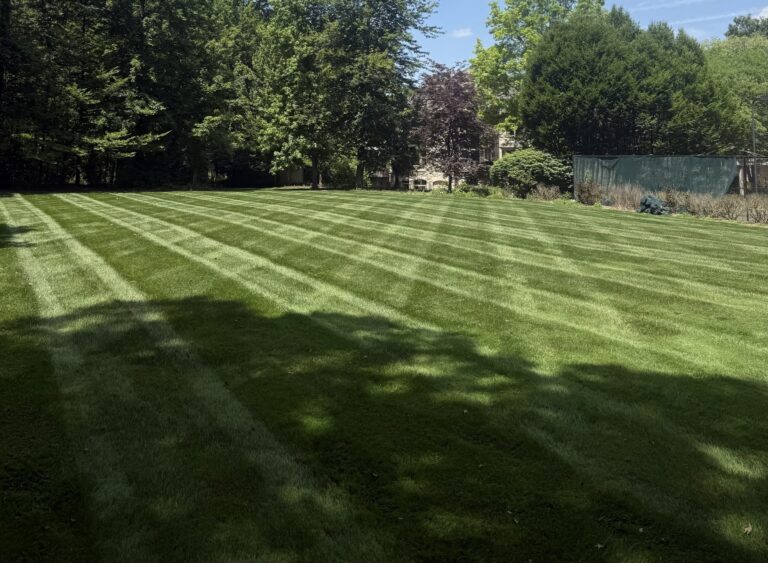
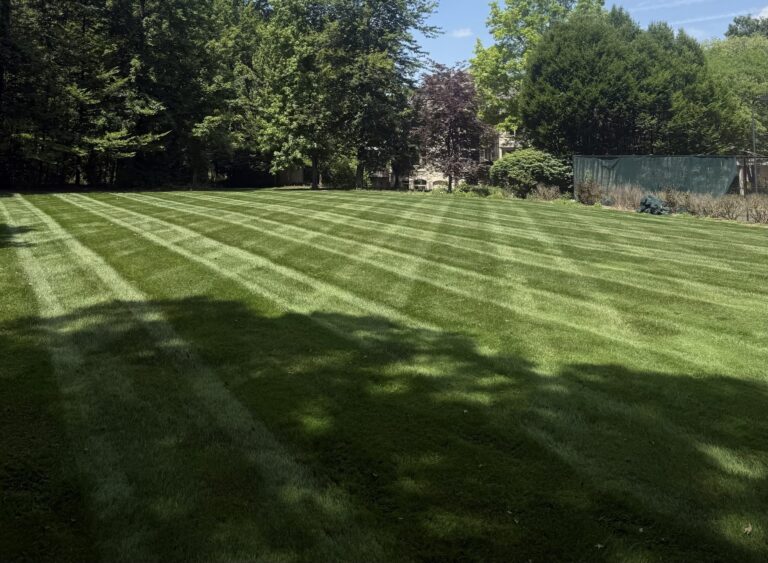
Expert Lawn Care In Dublin For A Lush Yard

Your Dublin lawn turns patchy and brown despite all the watering and mowing.

Smiggs Lawn Care restores Dublin lawns with its six-step fertilization, weed control, and overseeding to fill those bare spots.

Lawn Care quote in Dublin

We reply within one business day.

Thanks, we've got it. We'll call you within one business day with your quote.

Or call 202 555 0123

Lawn Care in Dublin, OH

Bare spots that keep getting larger

All that weekend effort seems to make the thin patches spread faster. Weeds move into the open spaces, and the lawn never looks quite right. You start to wonder if the soil itself is the problem.A healthy lawn in this area often needs more than one fix. Our lawn care program combines treatments that feed the grass, stop weeds, and improve the soil. This creates lasting health from the roots up through the season.

More in Dublin

Other services in Dublin

Pair it with another SMIGGS service in Dublin. Tap a service to see what's included.

Need a service that isn't listed? We offer all nine in Delaware, Dublin, Powell and Lewis Center. Ask us and we'll confirm.

Turf That Fills Back In

Dublin lawns sit on clay-rich ground that drains slowly and tightens under traffic. A soil test is reviewed when one is on hand, so feed matches what the ground actually lacks. Applications stay off the driveway and sidewalk, and stray granules get blown back onto the turf.

Six feeding rounds run through the growing season, with weed treatments alongside and one insect treatment in that stretch. Where soil is compacted, core aeration pulls plugs so water and roots move again. Lawn Care crews here spread new seed over thin spots, so bare ground fills with grass.

Cool-Season Growth Sets the Timing

Dublin lawns do best with cool-season grass, which grows hardest in spring and fall. Summer heat slows that growth and adds stress on shallow roots. The feeding and seeding rounds follow that rhythm.

Core aeration goes out when the ground is workable, since travel on soaked soil packs it tighter. New seed needs damp soil and warmth in the root zone, and soil temperature drives germination more than air temperature does. Steady mowing keeps the lawn even as growth speeds and slows.

Conditions That Set the Schedule

Mowing starts once spring growth is active and the surface is firm enough to carry equipment without rutting. After that, each visit is scheduled from how fast the grass regrows, so a single cut never takes more than a third of the blade. Dublin’s finer tills hold moisture longer, which can push that first cut later.

Granular feeding goes out only when the ground can take in or hold the granules. Nothing goes down while rain has soaked the top two inches of soil. That timing keeps the material on the lawn instead of washing into runoff.

Weed spraying waits out rain, expected rain inside the product’s rain-free window, and strong wind that would carry it off target. Temperature or moisture stress that raises the risk of turf injury also holds it back. Those conditions keep the material on the intended lawn and off non-target plants.

What Poor Timing Costs

A lawn that gets no feeding must draw on stored soil nutrients to replace what growth removes. Once those reserves run short, color and vigor drop. A soil test shows which nutrients are lacking, so applications match the ground instead of going on at random. Over a season of about 191 days in Dublin, the shortfall builds.

Weeds germinate on different schedules, so one pass leaves later flushes to grow, and the material works best on small, actively growing plants. Drought, heat, cold, soggy ground or badly timed rain cut control and raise turf injury and off-target movement. A freeze as late as May 5 in one year out of ten can shut a window early.

Aeration keeps compaction from winning. Pulling plugs cuts the volume of tight soil and opens pore space, so drainage and water storage balance better and blocked water moves down. Skip it and that balance stays broken. Ground left thin stays thin, since the surface thickens only after seed germinates and puts out roots and shoots.

Dublin Rules That Shape Mowing

Code here caps grass and weeds at 6 inches, and the limit covers the ground around the house, the trees and the rest of the yard. Flowerbeds and gardens count as landscaped areas, and so does the strip between the street curb and the sidewalk. That is where the weekly cut and the trim around edges come in.

Clippings and leaves may go out in yard-waste paper bags or in a container kept for yard waste only, at the curb no later than 7 a.m. Monday. Those bags and piles come from tidying the lawn, so collection day shapes the routine. Clippings get blown clear of the walks and drive after each cut.

Aeration for a Sloped Yard

Say a front yard in Dublin slopes down to the sidewalk and the ground under the grass is packed tight. Smiggs Lawn Care brings core aeration to the slope. The ground opens up, so moisture, oxygen, and nutrients reach the root zone. The lawn sits on a looser base ready for growth.

Pricing

Lawn Care Service Prices in Dublin

The table lists common lawn care services and their price ranges. Each price is for a single application or weekly visit. A lawn's size is the main factor in its price. For mowing, things like slopes, obstacles, and property access also affect the final cost.
Lawn Care ServiceLawn Care Price in DublinUnit
Fertilization$45 to $139one granular fertilizer application
Weed Control$45 to $120one lawn treatment application
Aeration$120 to $275one core-aeration visit for the lawn
Lawn Mowing$55 to $105per week
Fertilization and Weed Control$75 to $175per application
Overseeding$180 to $400one overseeding application
These prices are estimates for typical properties. The final cost for any job depends on the lawn's size and current condition. A firm quote is provided for every project before work begins.

Lawn Care in Dublin: FAQ

How do you restore a Dublin lawn that turned patchy and brown?

We bring back a patchy lawn with a six-step fertilization program, weed control, and overseeding that fills the bare spots. The feeding runs six times across the growing season, and the seed goes over thin ground so grass comes back in.

Why do thin patches in my lawn keep getting larger?

Thin patches spread because weeds move into the open ground, and the soil is often part of the problem. A lawn here usually needs more than one fix, so our program feeds the grass, stops weeds, and improves the soil. That builds health that lasts from the roots upward.

What does Lawn Care cost in Dublin?

Prices depend mostly on how big your lawn is. Fertilization runs $45 to $139 for one granular application, mowing is $55 to $105 per week, and overseeding is $180 to $400. Slopes, obstacles, and property access also change the mowing price.

Do you check the soil before you treat my lawn?

If you have a soil test, we review it so the feeding matches what your ground lacks. We feed the lawn six times during the growing season, with weed control on the same rounds and one insect treatment. Granules stay on the grass, and any strays get blown off the driveway and walk.

Do you aerate a sloped yard that stays packed tight?

Yes, we bring core aeration to a sloped yard where the soil below the grass is tight and compacted. That opens the ground so water, air, and nutrients get down to the roots. Your lawn ends up on a looser base that is ready to grow.
Secret Link