Lawn care, mowing & fertilization across Central Ohio

Menu

Lawn care, mowing & fertilization across Central Ohio
Menu
Services
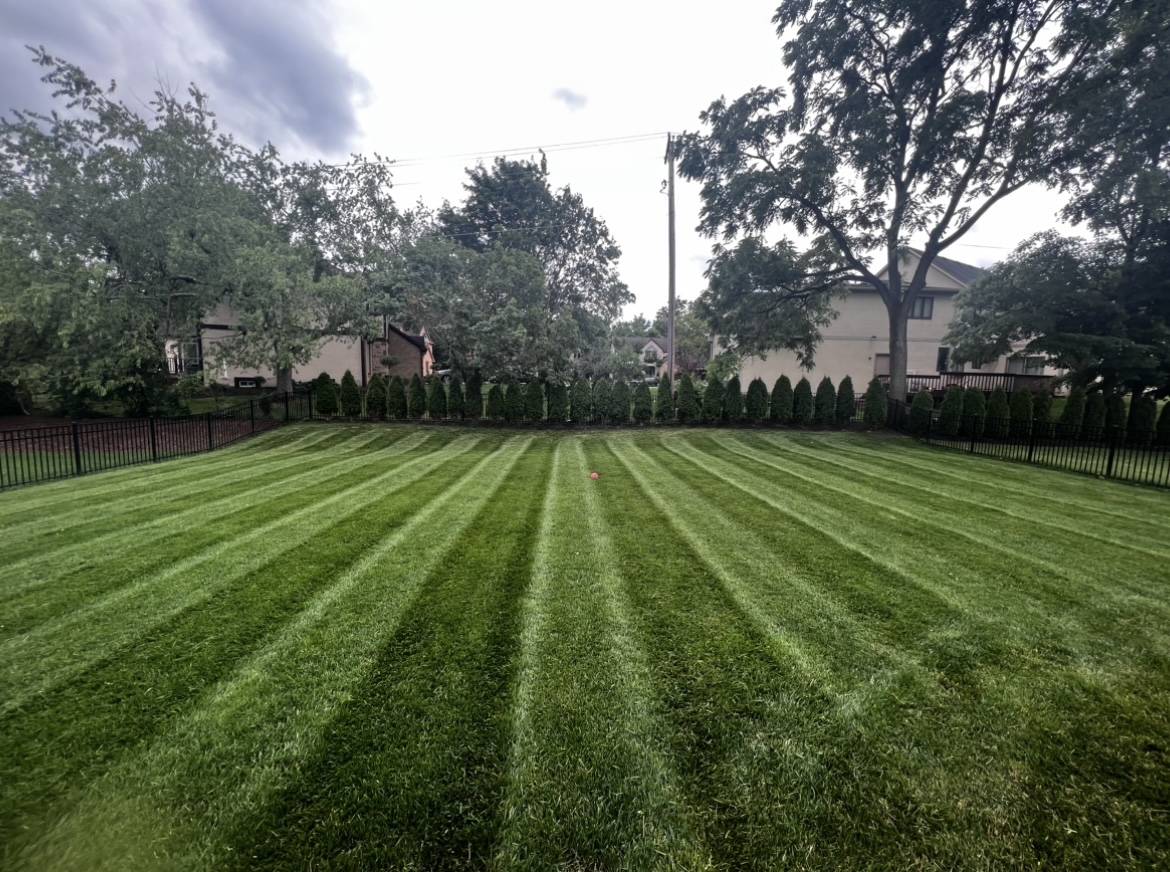
Crabgrass and clover are spreading faster than you can pull them in your Worthington lawn.
We apply six precisely timed treatments that choke out weeds and build a thicker, greener Worthington lawn.
Weed Control in Worthington, OH
More in Worthington
Pair it with another SMIGGS service in Worthington. Tap a service to see what's included.
Need a service that isn't listed? We offer all nine in Delaware, Dublin, Powell and Lewis Center. Ask us and we'll confirm.
Pricing
Nearby
We also offer Weed Control in these nearby towns:
Why do the weeds I pull keep coming back in my lawn?
Pulling by hand usually breaks the stem off and leaves the root behind, and that root pushes up new shoots in a few days. The weeds come back looking much as they did. Surface-feeding insects can also thin the turf and open bare spots, so our program includes a lawn insect treatment.
How much does one Weed Control treatment cost in Worthington?
What we charge depends on lawn size. A small lawn near 3,000 sq ft runs $45 to $50 for one application, and a mid-size lawn near 4,500 sq ft runs $50 to $90. A large lawn near 7,500 sq ft runs $90 to $120.
What does a weed control visit to my lawn include?
On a visit, we walk the property, note which turfgrass and which weeds are present, and look for anything that could change the treatment. Broadleaf weeds are usually treated with a selective foliar product applied after they emerge, while grassy weeds may need something different. Six treatments run through the growing season.
How do you decide when each weed control application goes down?
We put pre-emergence down before the target weeds break through, and post-emergence once they are up and growing. Timing here tracks the weeds, not a set date. We hold a visit when rain is falling, when wind could carry spray off target, or when heat, cold, or dry ground could hurt the turf.
Why do freezes change when you can treat my lawn?
Freezes mark both ends of the growing season here. Anything we apply while the grass is waking from winter, or after a hard freeze, does not take up well and can harm turf. Freeze and thaw cycles also lift the soil, leaving the ground least steady in the coldest weather.