Lawn care, mowing & fertilization across Central Ohio

Menu

Lawn care, mowing & fertilization across Central Ohio
Menu
Services
Hard packed Marysville soil chokes grass roots before water or nutrients can soak in.
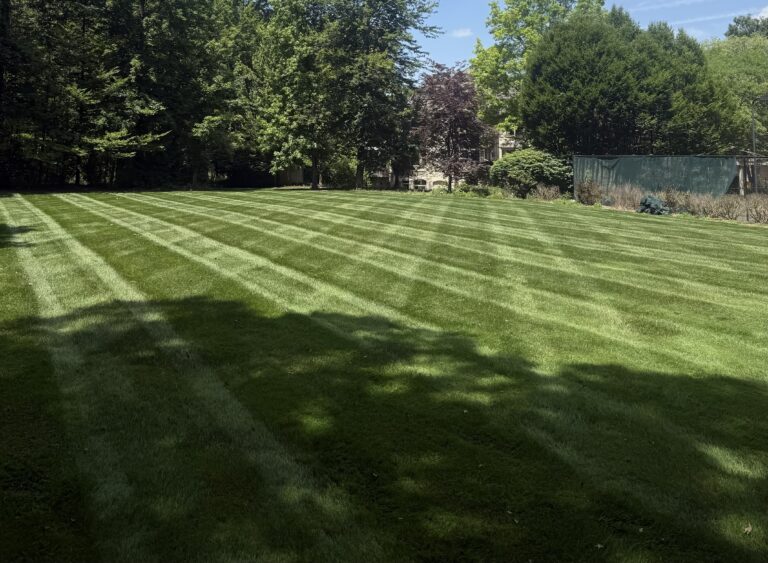
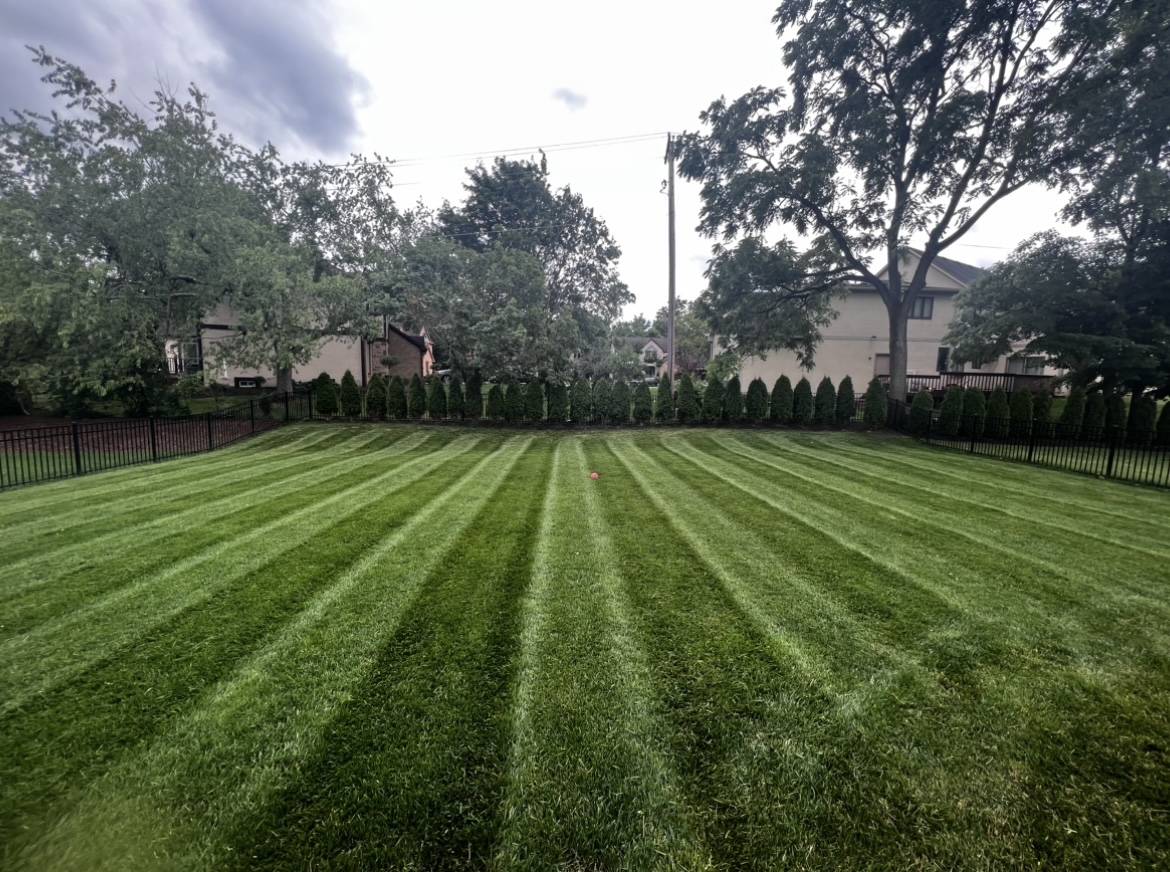
Your Marysville lawn thickens up as our core aeration allows water, air, and nutrients to finally reach the roots.
Aeration in Marysville, OH
More in Marysville
Pair it with another SMIGGS service in Marysville. Tap a service to see what's included.
Need a service that isn't listed? We offer all nine in Delaware, Dublin, Powell and Lewis Center. Ask us and we'll confirm.
Pricing
Nearby
We also offer Aeration in these nearby towns:
How does core aeration help my hard packed Marysville lawn?
Core aeration opens the soil so water, air, and nutrients can reach the roots instead of sitting on top. Hard packed ground chokes roots before moisture or nutrients soak in, and the lawn stays thin. Loosening that layer gives the grass room to thicken up.
How much does aeration cost for a lawn my size?
A single core aeration visit costs $120 to $140 for lawns up to 5,000 sq ft and $230 to $275 for 20,000 to 25,000 sq ft. Each price covers one visit for the whole lawn. Match your square footage to the size range to see your estimate.
When do you avoid aerating a lawn here?
We skip midsummer heat and frozen winter days, and wait out wet stretches. Spring and early fall are the windows we work in, while cool-season grass is growing then and the soil is usually dry enough. Driving the tines into wet ground packs it tighter instead of opening it, so we watch the weather.
What do you do about buried hazards before aerating?
Markers go out first so buried hazards are visible before the machine crosses the turf. The work targets ground that stays packed, gets constant foot traffic, or sheds water. The tines open passages from the surface into the root zone, so water, air, and roots move through packed ground more easily.
Why does fall timing matter for my lawn's recovery?
The best window runs from late summer into early fall, when cool-season grass can recover before winter and heat stress no longer competes with it. Heat or drought slows recovery and keeps the surface thin for longer. Freeze and thaw repeat through winter here, and January lows average about 22°F.