Lawn care, mowing & fertilization across Central Ohio

☎ 202 555 0123

Home

/

Locations

/

Columbus, OH

/

Fertilization and Weed Control

Fertilization and Weed Control in Columbus, OH

Healthy Lawns Start With Fertilization and Weed Control In Columbus

Your Columbus lawn is more dandelion than grass, and you worry the treatments might harm your dog.

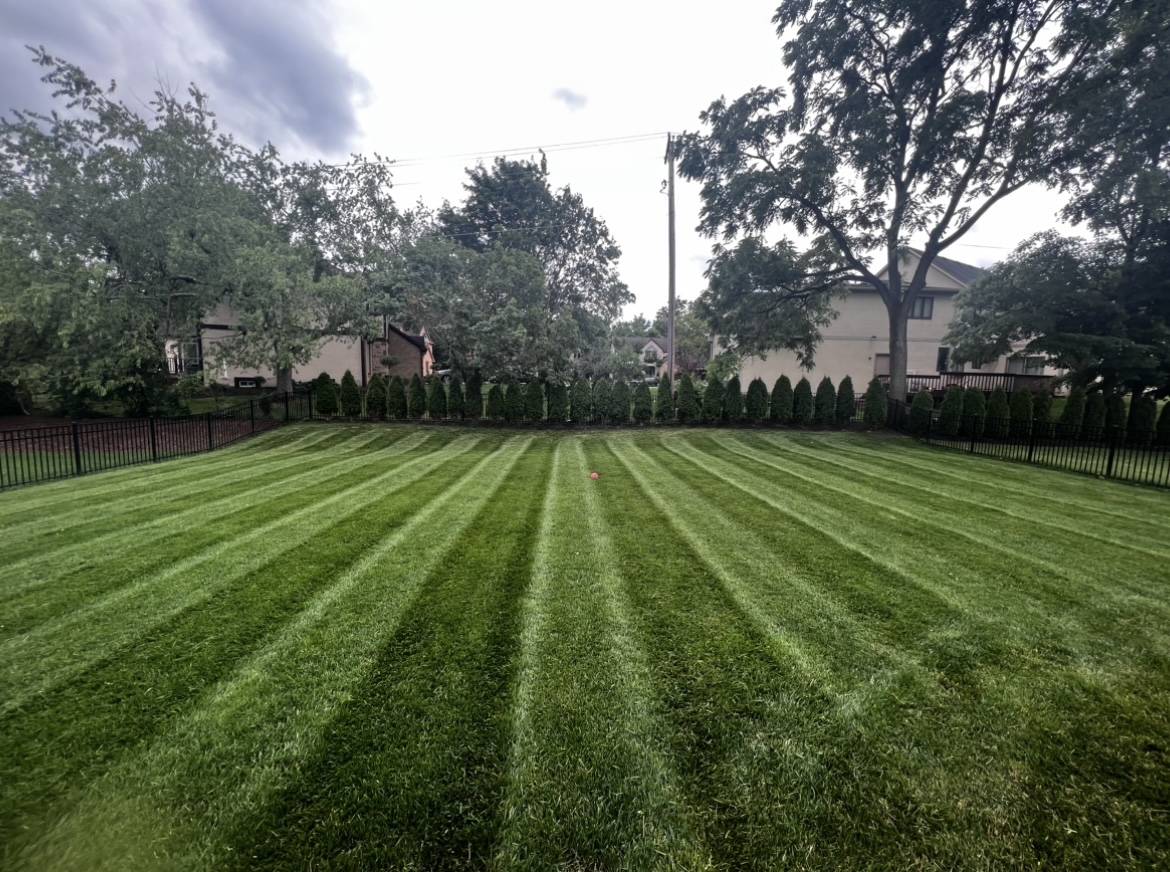
Our crew applies a six-step, pet-friendly fertilizer and weed control program, turning your Columbus lawn thick and green.

Fertilization and Weed Control quote in Columbus

We reply within one business day.

Thanks, we've got it. We'll call you within one business day with your quote.

Or call 202 555 0123

Fertilization and Weed Control in Columbus, OH

Thin Grass, Constant Weeds

You spend your weekends pulling weeds, but they come right back. It feels like the more you pull, the more they spread. You start to wonder if the real problem is deeper than what you can see.Many folks here don't know that heavy clay soil starves grass of nutrients. Without regular feeding, your lawn stays thin and invites weeds. This program of regular feeding nourishes your turf steadily, helping it grow thick enough to block out new weeds.

Turf That Crowds Out Weeds

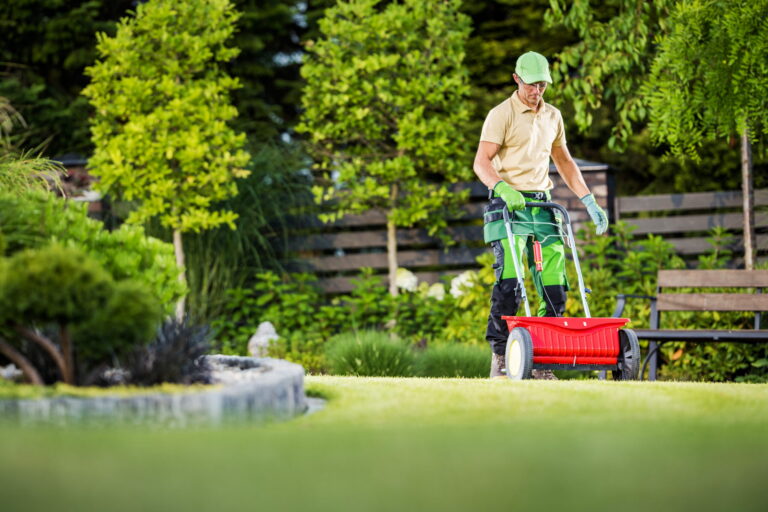
The first visit here begins with a walk of the turf to check for weeds, insects, and spots where water runs off. Granular feed goes down through a calibrated spreader, laid evenly and kept off pavement and drainage paths. A single insect treatment is added when damaging insect activity turns up.

Six separate weed treatments run through the growing season, matched to the weeds that are actually there. Each visit of Fertilization and Weed Control skips ground that does not need product. Turf then fills in, shading soil and leaving less bare space for new weeds.

Your Lawn Through the Year

In Columbus, cool-season grass does most of its growing from spring into fall, with a dormant stretch through the cold months. The first visit lands as that green-up starts, and the rounds run through the season while the grass is still active.

Summer heat and dry spells can slow the grass, and the lawn does not grow at the same pace all season. Fall brings a second stretch of active growth before the cold sets in. Once the turf goes dormant, the feeding stops until spring.

Drainage Sets the Conditions

Much of the ground here is loam or silt loam sitting on finer subsoil that slows water on its way down. Other pockets are fine textured and drain poorly, so water lingers near the surface for long stretches. Where traffic has packed the soil, pore space shrinks and water and air move through it less freely.

Feeding works best when the spreader is set to the rate printed on the product label and the granules land evenly across the lawn. A rotary broadcast unit suits wide open turf, while a drop spreader gives tighter control along beds, borders, and narrow strips. Granules are kept off hard surfaces and drainage lines so they stay where they belong.

Timing depends on the weather as much as on the soil. Work waits out heavy rain, standing water, runoff-prone ground, and wind strong enough to carry granules off target. Gloves, long sleeves, eye cover, and sturdy footwear are worn when the label calls for it. Nutrients, weeds, and insects respond on separate timelines, so the lawn gets checked for how each is faring.

How Rainfall Moves the Nutrients

Feeding changes what the soil can supply to the grass. Nitrogen builds the chlorophyll that keeps blades green and growing, phosphorus takes part in energy movement and root growth, and potassium helps the plant keep its water balance and handle stress. Rain arrives in every month, from roughly 2.4 inches in February to 4.7 inches in July, dissolving the granules and carrying nutrients down toward the roots.

Heavy rain does the opposite of what the lawn needs, flushing dissolved nutrients beyond where roots can reach them. Weed control also depends on timing and even coverage. A treatment applied at the wrong moment or spread unevenly can leave weeds standing, harm nearby grass, and create visible striping or spots. It also raises exposure for people, pets, and plants that were not the target.

Cold shapes the season. Winter is dormant for most landscape plants, yet lawns stay exposed to snow, cold, and repeated thawing and freezing. Those swings can lift shallow-rooted plants and loosen soil around crowns, and turf suffers where feet or tires cross thawing ground. The last freeze of spring, at 32°F, typically falls near April 18, which shapes how early feeding can pay off.

Six Rounds Beside the Woods

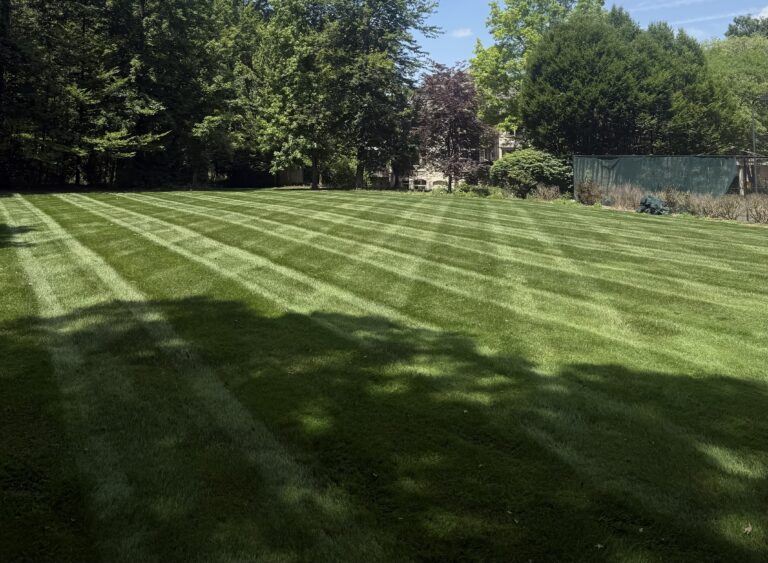
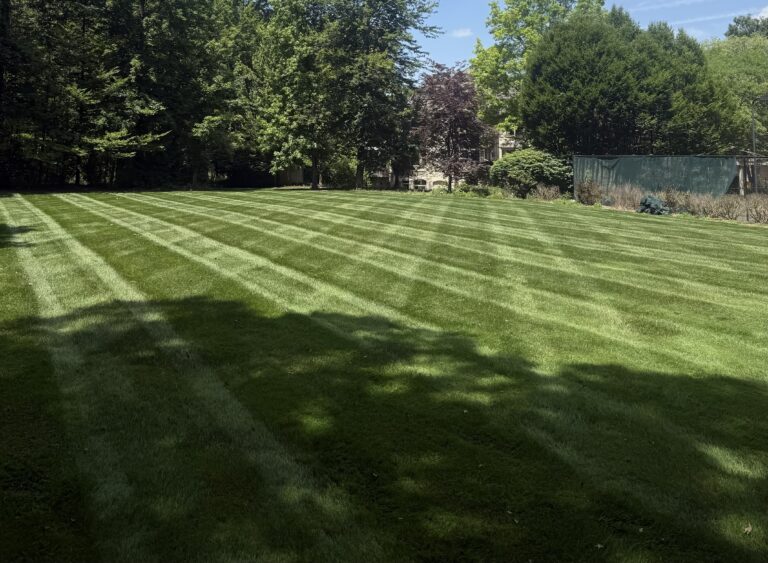
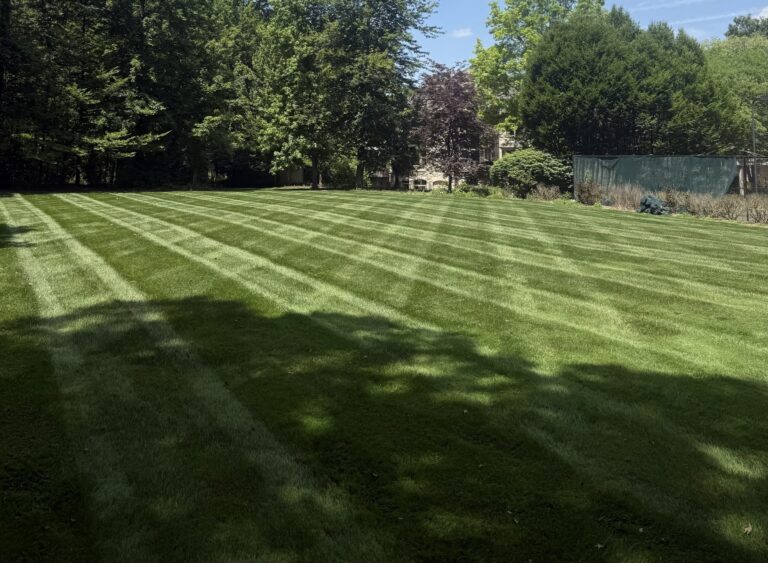
Picture a yard that backs onto a wooded lot in Columbus, where weeds have crowded out thin turf. The work starts with granular feed spread evenly over the lawn and a weed treatment aimed at what is there. Five more rounds follow, each pairing feed with weed control, and one insect treatment goes down too. The lawn comes back thicker.

Pricing

Fertilization and Weed Control Prices in Columbus

The table shows price ranges for a single fertilization and weed control application based on lawn size. Each row represents a different size category. The price shown is for one treatment. A complete program consists of six applications throughout the season.
Lawn SizeFertilization and Weed Control Price in ColumbusUnit
Small lawn$75 to $90per application
Medium lawn$90 to $120per application
Large lawn$120 to $145per application
Estate lawn$145 to $175per application
These prices are estimates for typical properties. The final cost for any project depends on the specific size and condition of the lawn. A firm quote is provided for every job before work begins.

Fertilization and Weed Control in Columbus: FAQ

Is the Fertilization and Weed Control program safe for my dog?

Our program is pet-friendly and runs as six steps across the growing season. Each round uses a granular fertilizer, and we add six weed control treatments and one insect treatment. The goal is turf that comes back thick and green.

How much does one treatment cost for a medium lawn in Columbus?

A medium lawn runs $90 to $120 for a single application. Small lawns are $75 to $90, large lawns $120 to $145, and estate lawns $145 to $175. A full season is six applications.

What kind of spreader do you use for the granules?

We set the spreader to the label rate and lay granules evenly across the lawn. For wide open turf we use a rotary broadcast spreader, and a drop spreader for tighter control near beds, borders, and narrow strips. Granules stay off hard surfaces and drainage lines.

How does rainfall affect the fertilizer you apply?

Rain dissolves the granules and carries nutrients down toward the roots. Heavy rain flushes those dissolved nutrients past the point where roots can reach them. Here, rain totals about 2.4 inches in February and reaches 4.7 inches in July.

How many rounds of feeding and weed control do I get?

You get six rounds across the growing season. The first round is granular feed plus a weed treatment matched to the weeds present, then five more rounds that each pair feed with weed control. One insect treatment goes down as well.
Secret Link