Lawn care, mowing & fertilization across Central Ohio

☎ 202 555 0123

Home

/

Locations

/

New Albany, OH

/

Fertilization and Weed Control

Fertilization and Weed Control in New Albany, OH

Healthy Lawns Begin With Fertilization and Weed Control In New Albany

Your New Albany lawn is thin and weeds keep invading, no matter how much you water and mow.

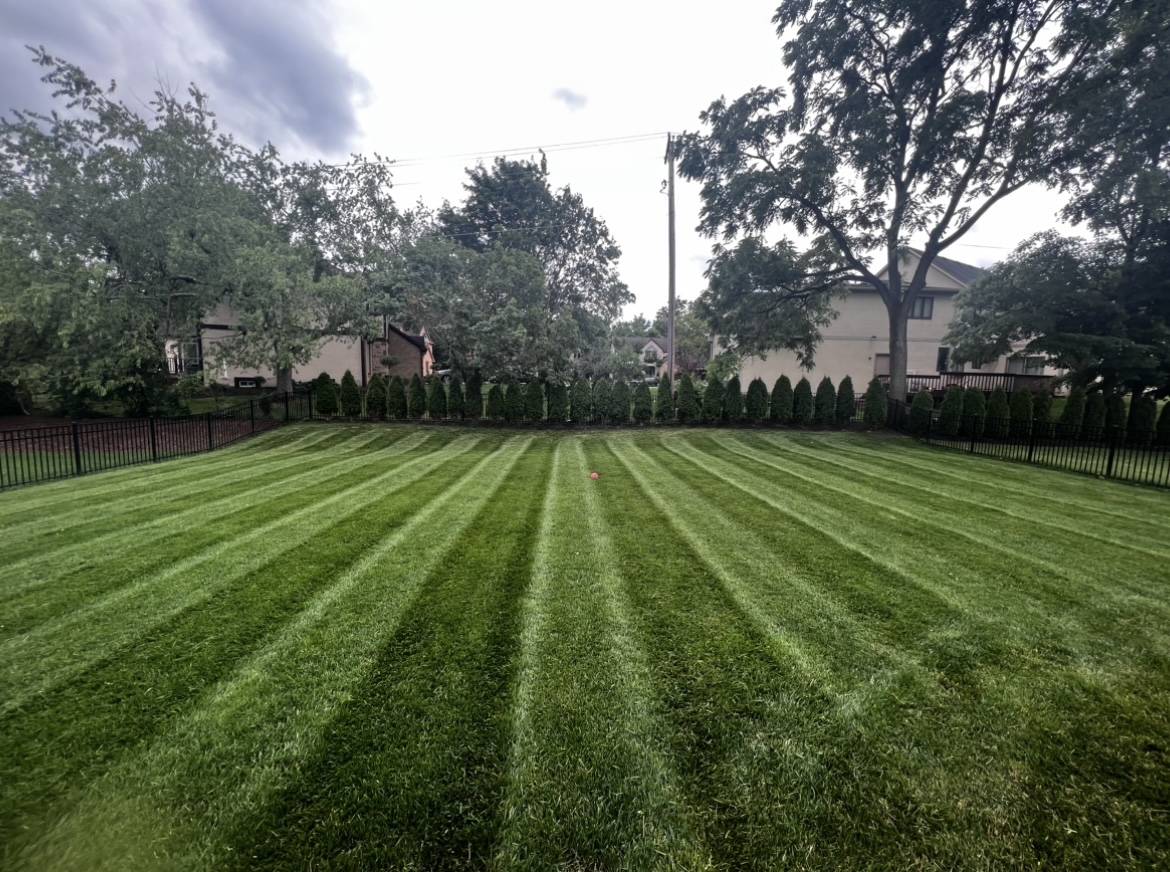
You get a dense, green New Albany lawn that resists weeds with our six-step feeding and control program.

Fertilization and Weed Control quote in New Albany

We reply within one business day.

Thanks, we've got it. We'll call you within one business day with your quote.

Or call 202 555 0123

Fertilization and Weed Control in New Albany, OH

Each weed steals what your lawn needs

When weeds take over, your grass gets less water and food. This weakens the roots and leaves your lawn vulnerable to more weeds. In New Albany, the cycle can turn a once-healthy yard into a patchy mess.Our six-step program delivers nutrients at key points in the growing season. That steady feeding helps your grass grow thick and crowd out weeds on its own. This proactive approach builds a stronger lawn to prevent future problems.

Thicker Turf Keeps Weeds Out

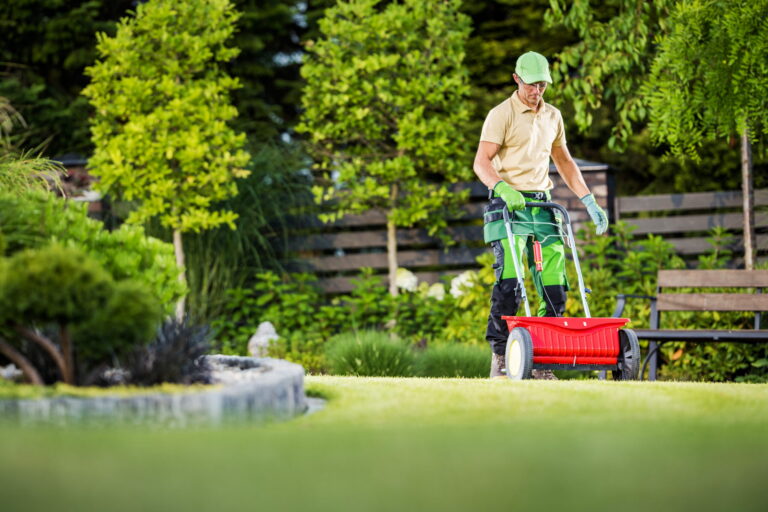
Each visit starts with a look at the turf to spot weeds, insects and places where water sits. A calibrated spreader then lays granular fertilizer evenly at the label rate for New Albany lawns, kept off drives and drainage lines.

Feeding lands six times across the growing season, with weed treatments on the same rhythm. One insect treatment goes down only when activity or label timing calls for it. Fertilization and Weed Control here builds a thicker canopy, so grass shades soil and holds the space weeds want.

Fewer Chores On Your List

Cool-season grass grows hardest in spring and fall, then slows in summer heat. Feeding and weed pressure keep moving through that stretch. Around New Albany, the window between the spring and fall freezes runs about 191 days, and the turf keeps needing attention through it.

Hauling bags, watching the calendar and guessing what the turf needs come off your list. The timing and the product choices rest with the crew that does the work. What’s left for you is a lawn you can enjoy between other things.

Timing Follows the Ground

Fertilizer cannot go down on frozen or snow-covered ground, so the first and last passes of the year hinge on the weather. Feeding waits for ground that has thawed and drained. Clayey subsoil drains slowly, so lawns hold water after heavy rain and the surface needs time to firm up before equipment rolls across it.

Weed and insect passes follow the pest rather than the calendar. Those products work best when the weeds or insects are active and the turf is not worn down by drought or heat. When stress raises the chance of injury, the pass waits for milder days.

Soil sets the schedule as much as the season does. Traffic on wet ground compacts the surface and closes the pore space roots and air rely on, so saturated lawns wait. The mapped series here differ in drainage, so how soon a lawn is workable after rain varies from property to property.

Weather Shapes the Results

Rain decides how much of the feeding stays put. Monthly totals here run from about 2.4 inches in February to about 4.7 inches in July, so moisture arrives year round, though the heaviest rain lands in the hottest month. When more fertilizer goes down than the grass can take up, the excess can move with runoff and drainage.

Dry spells can undo a wet month. Lawns and shallow-rooted plants still show moisture stress during hot stretches, even in a month that brings rain. Repeated passes that ignore the weather and the soil’s nutrient status can load the ground with chemicals and raise the risk of runoff or leaching.

Winter is a dormant stretch for most turf. The usual first freeze lands near October 27, and the cooling that comes ahead of it is the last useful window of the year. Snow and repeated freezing then limit what outdoor work is possible.

A Corner Lot's Six Visits

Take a corner lot that faces two streets in New Albany, where weeds push in from both sides and the grass grows thin. Bare spots open up where the turf wears down. A six-visit feeding plan starts with granular fertilizer spread evenly across the lawn. Each pass feeds the grass so it can fill in and hold its ground.

Six weed control treatments follow the same rhythm, and one insect treatment rounds out the care. The result is a lawn that is nourished and beautified. The program is pet-friendly and built to give the grass well-rounded care through the growing season.

Pricing

Fertilization and Weed Control Prices in New Albany

This table shows typical prices for a fertilization and weed control program. Each row represents a different lawn size. The price shown is for a single application. The full program includes six fertilizer and weed control applications, plus one insect control treatment, during the growing season.
Lawn SizeFertilization and Weed Control Price in New AlbanyUnit
Small lawn$75 to $90per application
Medium lawn$90 to $120per application
Large lawn$120 to $145per application
Estate lawn$145 to $175per application
These prices are estimates for typical properties. The final cost for any service depends on the lawn's specific size and current condition. A firm quote is provided for every job before any work begins.

Fertilization and Weed Control in New Albany: FAQ

How much does Fertilization and Weed Control cost in New Albany?

Prices run from $75 to $90 for a small lawn, $90 to $120 for a medium lawn, $120 to $145 for a large lawn and $145 to $175 for an estate lawn. Each figure is for a single application. The full program covers six fertilizer and weed control visits plus one insect treatment.

What do you check before spreading fertilizer on my lawn?

We start each visit by looking over the turf for weeds, insects and spots where water collects. A calibrated spreader then applies granular feed at the label rate, kept away from drives and drainage lines. Weed treatments follow that same schedule, and feeding goes down six times over the growing season.

Do I need to handle the timing and product choices myself?

No. Cool-season grass does most of its growing in spring and fall, and summer heat slows it down. The stretch between the spring and fall freezes lasts about 191 days here, and our crew handles the timing and the product choices, so hauling bags and watching the calendar come off your list.

What happens when the ground is frozen or soaked?

Frozen or snow-covered ground keeps us from spreading fertilizer, so the first and last visits of the year depend on the weather. We hold the feeding until the soil has thawed and drained, and clayey subsoil drains slowly. Weed and insect treatments go out when the pests are active, not by the calendar.

How many visits does a corner lot in New Albany get?

A corner lot gets six feeding visits under this plan. Each pass puts granular fertilizer down evenly over the lawn so thin grass and bare spots can fill in, and weed control goes down six times on that rhythm. A single insect treatment completes the program, and the plan is pet-friendly.
Secret Link