Lawn care, mowing & fertilization across Central Ohio

☎ 202 555 0123

Home

/

Locations

/

Westerville, OH

/

Fertilization and Weed Control

Fertilization and Weed Control in Westerville, OH

Healthier Lawns Start With Fertilization and Weed Control In Westerville

Your Westerville lawn stays thin and pale while dandelions take over every spring.

Our crew applies a six-step granular feeding program that thickens your turf and stops weeds at the root.

Fertilization and Weed Control quote in Westerville

We reply within one business day.

Thanks, we've got it. We'll call you within one business day with your quote.

Or call 202 555 0123

Fertilization and Weed Control in Westerville, OH

Depleted soil that starves your grass

When turf is sparse, every weed seed that lands finds open ground. Your grass never gets dense enough to crowd them out on its own. That leaves you with a patchy yard that looks neglected, no matter how often you mow.In Westerville, this program also includes a lawn insect control treatment. Grubs and surface feeders can undo a season of growth in weeks. Protecting roots from that hidden damage keeps your turf strong between visits.

Turf That Shuts Weeds Out

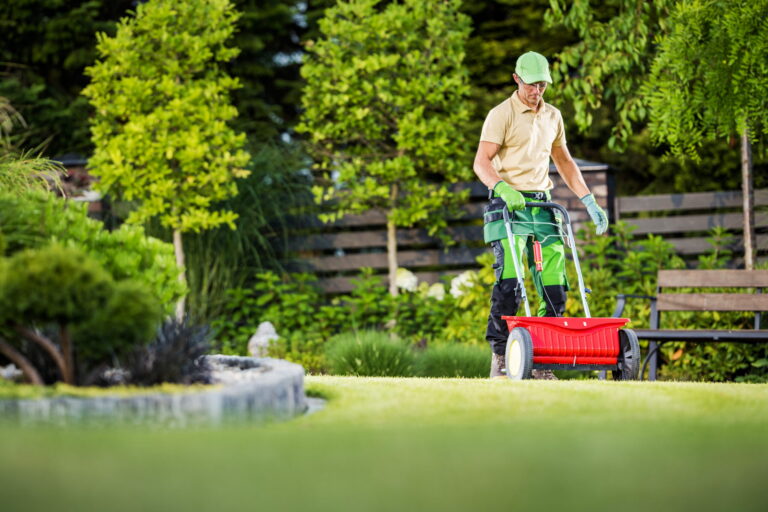
The crew walks the turf, noting which weeds are up and whether insects are present. They check for runoff spots and set the spreader to the right rate. Fertilization and Weed Control then goes down as granular fertilizer, spread evenly and kept off driveways and drainage paths.

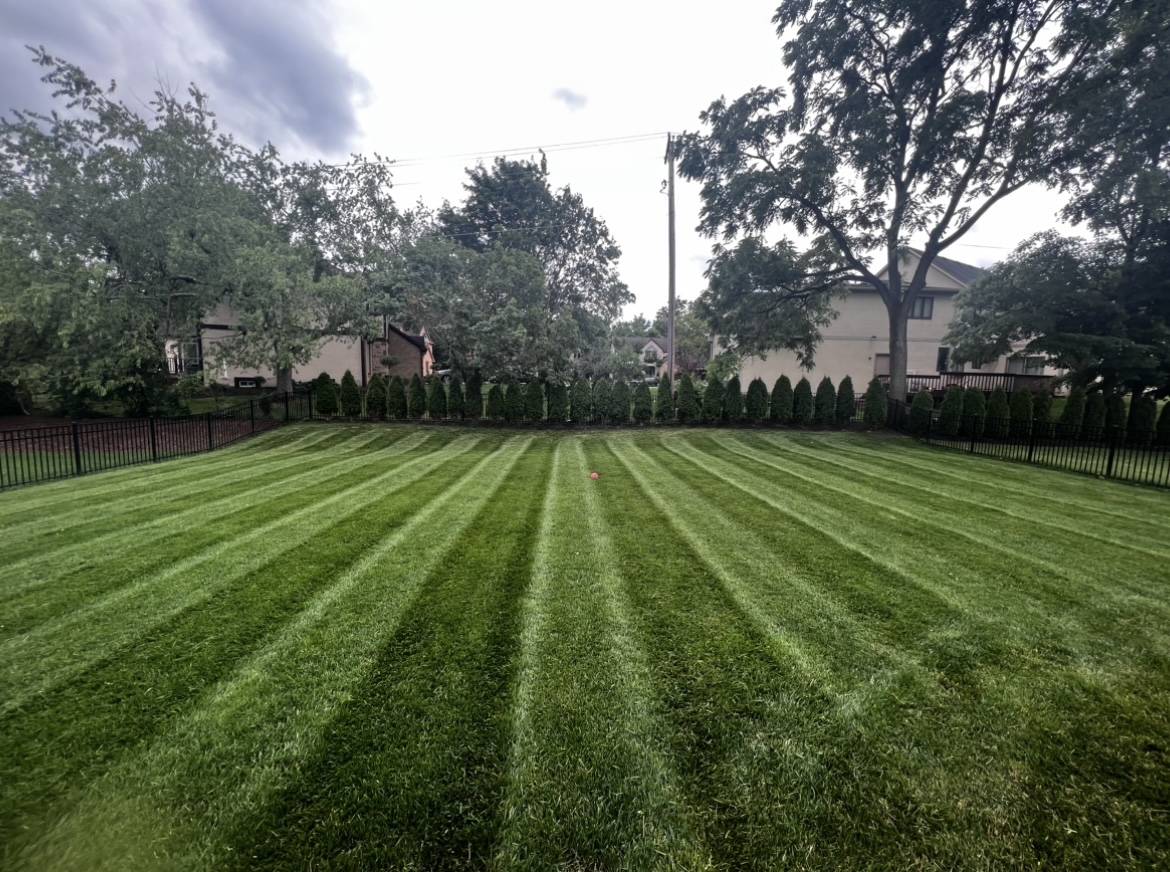
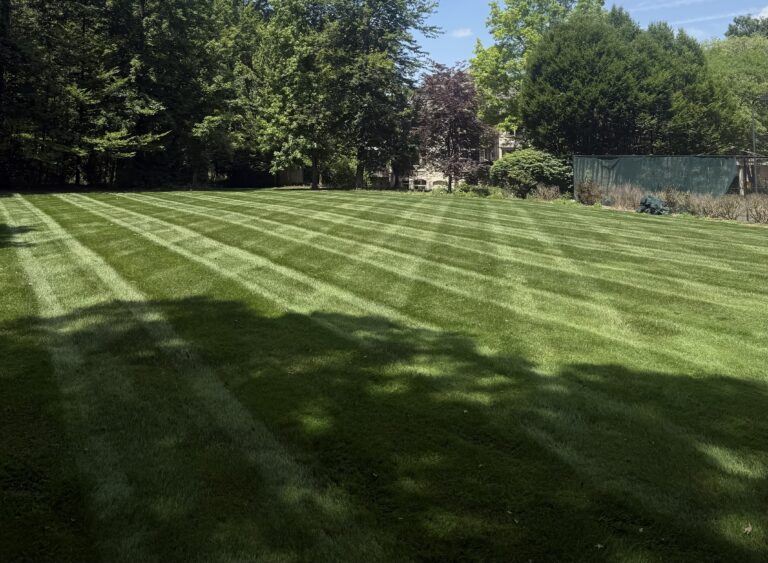
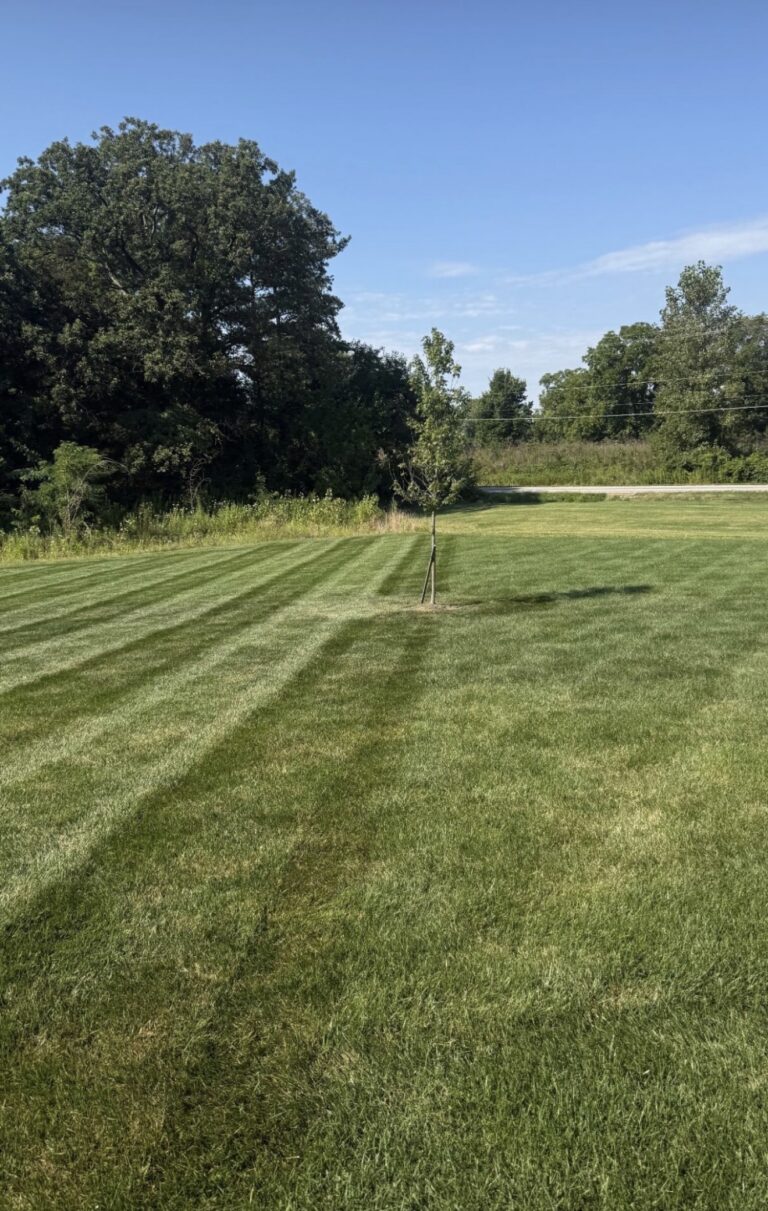
Weed treatments run through the growing season, matched to the weeds present, and one insect treatment goes on when activity calls for it. Steady nutrition helps grass fill in and shade the soil, so fewer seeds find bare ground. Turf in Westerville builds denser cover, so weeds have less room.

Weather Sets The Timing

Spring and fall are when grass here grows hardest, so that is when feeding does the most. Summer heat slows top growth and raises water demand, so applications are timed around it. A Westerville lawn sees rain in every month of the year.

Cool-season grasses suit lawns here best, and winter cold turns warm-season types brown and dormant. The stretch between the last spring freeze and the first fall freeze is when the turf grows, and that is the window for feeding.

Spreader Settings and Local Soil

Granular fertilizer goes out through a calibrated broadcast or drop spreader, set to the rate on the product label. The pattern stays away from pavement and drainage paths, and granules that land on hard surfaces are swept back onto the turf or discarded as the label directs. Splitting applications limits nutrient losses and the soft, excessive growth that comes from too much material at once.

Westerville’s upland soils are usually silt loam or loam near the surface and heavier clay loam below, while low ground and floodplains hold fine layers that drain slowly. Granules need moisture to release their nutrients, so ground that stays wet can move those nutrients past the root zone. Turf here does best in soil with a pH between 6.0 and 7.0.

Why Heat and Cold Matter

Roots absorb nutrients from granular fertilizer only once they dissolve in soil water, and the soil holds and trades some of them for later. Summer heat raises the water the grass pulls, and cool-season turf can go dormant in midsummer. Rain here runs from about 2.4 inches in February to about 4.7 inches in July, enough to move nutrients to the roots or past them.

Cold stops the grass rather than the soil, so nutrients applied while turf is dormant sit unused. Repeated feeding changes soil nutrient levels over time: phosphorus and potassium can build up when more goes on than the plants take, while nitrogen is used, converted or lost. Missing applications leaves gaps that shortages, weeds and insect feeding widen, thinning the canopy and slowing recovery.

Fertilizing a Sloped Front Yard

Consider a front yard that slopes down to the sidewalk in Westerville. Weeds come up through the turf on that grade, and the lawn needs feeding to look its best. Six visits feed the lawn with granular fertilizer, with weed control treatments worked into the same program. One insect treatment is included as well.

Over the six visits, the fertilizer nourishes the lawn and the weed treatments work on the weeds that are up. The insect treatment is part of the program too. What is left here is a better-looking lawn from the sidewalk to the house.

Pricing

Fertilization and Weed Control Prices in Westerville

Prices for fertilization and weed control are listed by lawn size. The cost shown is for one application. A complete season's program includes six applications. The final price for a lawn is determined by its specific conditions and needs.
Lawn SizeFertilization and Weed Control Price in WestervilleUnit
Small lawn$75 to $90per application
Medium lawn$90 to $120per application
Large lawn$120 to $145per application
Estate lawn$145 to $175per application
These prices are estimates for typical properties. The final cost for any service depends on the lawn's size and current condition. A firm quote is provided for every job before work begins.

Fertilization and Weed Control in Westerville: FAQ

What does your six-step granular feeding program do for my lawn?

We spread a granular feed in six rounds through the season, which builds thicker turf and works on weeds at the root. It suits lawns that come out of winter thin and pale, then get taken over by dandelions every spring.

Why does my thin lawn keep filling up with weeds?

Bare spots let every weed seed that lands find room to sprout, and thin grass cannot thicken enough to crowd the weeds out. Your program also includes one lawn insect control treatment, since grubs and surface feeders can wipe out a season of growth in a few weeks.

How much does fertilization and weed control cost in Westerville?

Prices run from $75 to $90 for a small lawn up to $145 to $175 for an estate lawn, per application. A full season is six applications, and the final price depends on your lawn's specific conditions and needs.

How do you apply the fertilizer and weed treatments?

We walk the lawn first to check which weeds have come up and whether any insects are active, then set the spreader to the correct rate. The granular feed goes on evenly and stays clear of driveways and drainage paths, and weed treatments are matched to the weeds we find.

When in the season do you feed the grass here?

Spring and fall bring the strongest growth, so that is when we feed most. Summer heat slows the grass down and calls for more water, so we plan applications around it, and feeding runs from the last spring freeze to the first fall freeze.
Secret Link