Lawn care, mowing & fertilization across Central Ohio

☎ 202 555 0123

Home

/

Locations

/

Powell, OH

/

Mulch Installation

Mulch Installation in Powell, OH

Beautiful Beds Start With Mulch Installation In Powell

Faded mulch and constant weeding make your Powell garden beds look neglected.

Your Powell beds get a sharp, clean look with fresh mulch that smothers weeds and holds in moisture.

Mulch Installation quote in Powell

We reply within one business day.

Thanks, we've got it. We'll call you within one business day with your quote.

Or call 202 555 0123

Mulch Installation in Powell, OH

Weeds sprout faster than you can pull

In Powell’s summer heat, old mulch breaks down and loses its grip on weeds. You end up pulling them every few days just to keep the beds from looking overrun. The constant upkeep eats into your weekends.Crisp edges and fresh material make the whole yard look put together. The layer locks in soil moisture, so you water less during dry spells. Your plants pop against a clean, dark backdrop.

More in Powell

Other services in Powell

Pair it with another SMIGGS service in Powell. Tap a service to see what's included.

Need a service that isn't listed? We offer all nine in Delaware, Dublin, Powell and Lewis Center. Ask us and we'll confirm.

Fewer Weeds, Sharper Beds

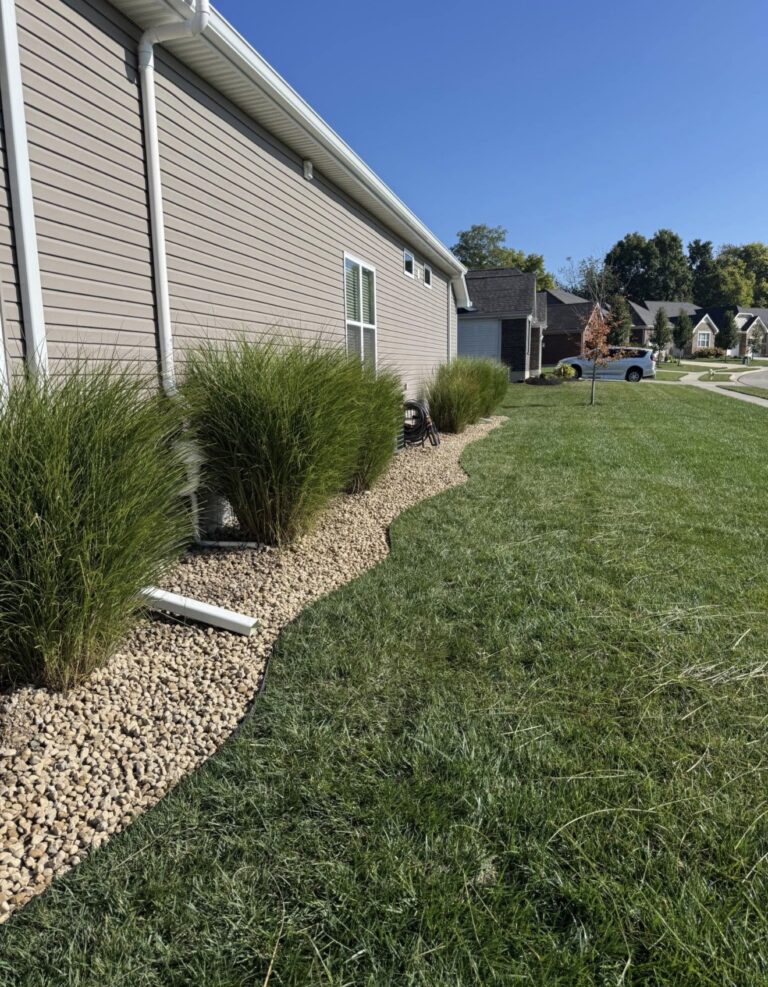
Before anything goes down, we check each bed in Powell, mark its outline, and clear out weeds, litter, loose debris, and tired old material. Edges get cut with a spade so the line between bed and grass stays crisp.

Fresh mulch goes down evenly and stays clear of trunks and stems. The layer blocks light at the soil surface, so fewer weed seedlings come up. Moisture stays in the ground longer with Mulch Installation, and you spend less time pulling weeds here.

Weekends Back In Your Hands

Powell summers pull moisture from the soil, and winter freeze and thaw cycles work on the ground around plant crowns. Mulch spread over the bed insulates the soil, so temperatures around the roots swing less.

Doing this by hand means hauling bags and wheeling load after load, usually on a day off you would rather spend elsewhere. We take that part off your hands and leave you the finished bed.

Timing Beds Around Workable Soil

Mulch goes down best on ground that is firm and damp, not soaked, frozen, or waterlogged. In Powell the surface is often silt loam or loam, with heavier clay loam and silty clay loam underneath. That dense layer slows water moving down, so beds drain slowly and the ground needs time to firm before work starts.

Fall is a suitable window, once active growth slows and before the ground freezes hard. Material laid at that point moderates soil temperature and reduces erosion. Timing matters because frozen or saturated ground cannot be worked.

Beds built on fill or disturbed ground behave differently from mapped native soil. They often hold less organic matter and have weaker structure, with abrupt layers that slow water entry. That uneven drainage is another reason the work waits for a settled, workable stretch of weather.

Moisture Swings and Mulch Performance

Rain that lands on bare soil hits it directly, crusting the surface and splashing loose particles away. A mulch layer takes that impact, so the soil beneath stays open and settled. Rainfall here varies by month and cool ground can stay wet, so plants in these beds have to handle wet spells and summer drying alike.

In summer, when heat puts the heaviest moisture demand on beds, the cover shades the soil and dampens temperature swings at the roots, so dry spells pull moisture out more slowly. Mulch pushed up against trunks and stems is the exception, since those tissues stay damp, which can bring on decay and disease, give insects shelter, and injure bark.

Yard Waste Set-Out Rules

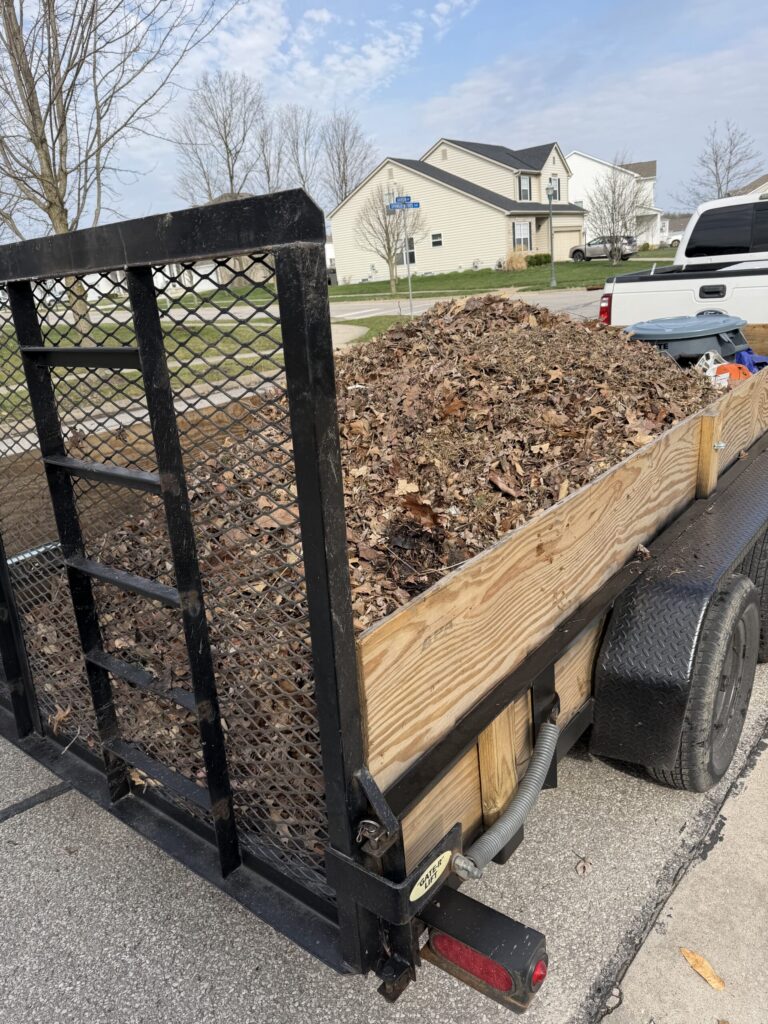
Yard waste from mulch work here has to go out in a bag that breaks down or in a can no heavier than 50 pounds with a Yard Waste Only sticker. Anything not prepared that way will be left at the curb. That means the old material and pulled weeds need to be packed as they come out.

Patio Beds Regain Sharp Edges

Imagine a yard with a patio ringed by beds in Powell. Weeds have pushed through old mulch, and the edge along the patio has gone soft. Bed prep comes first, then the outline gets a clean cut. A new layer of mulch covers the soil, holding in moisture and keeping weeds down, so the beds look neat here.

Pricing

Typical Mulch Installation Prices in Powell

This table shows the cost for mulch installation. The price is per cubic yard of mulch, installed. This service includes preparing the garden beds and creating a clean edge. The total cost will depend on the amount of mulch needed for the job.
ServiceMulch Installation Price in PowellUnit
Mulch Installation$150per yard, installed
These prices are estimates for planning purposes. The final cost for any project depends on the specific size and condition of the area. A firm, written quote is provided for every job before any work begins.

Mulch Installation in Powell: FAQ

Why do my Powell beds look neglected?

Old mulch fades and breaks down, so weeds keep sprouting and the beds look neglected. We put down new mulch that keeps weeds down and traps moisture, so the beds look sharp and clean.

How much does Mulch Installation cost in Powell?

$150 per cubic yard installed, which covers preparing the beds and cutting a clean edge. The total depends on how much mulch your beds need.

What does Mulch Installation include?

We inspect each bed, trace its outline, and remove weeds, litter, loose debris, and old material. A spade cuts a crisp edge, and fresh mulch goes down evenly, staying clear of trunks and stems.

When is the best time to have mulch installed?

Fall is a good window, after growth slows but before hard freezes set in. We wait for ground that is firm and damp, since frozen, soaked, or waterlogged soil cannot be worked.

How does mulch help with wet spells and summer drying?

A mulch layer absorbs the force of falling rain, which keeps the soil below loose and settled. In summer it shades the ground and softens temperature swings around the roots, which slows moisture loss during dry spells. Keep it clear of trunks and stems, where damp tissue can bring decay, insects, and bark injury.
Secret Link