Lawn care, mowing & fertilization across Central Ohio

☎ 202 555 0123

Weed Control in Delaware, OH

Your Lawn Deserves Weed Control In Delaware

Dandelions and crabgrass take over your lawn in Delaware, turning it into a weedy mess.

We deliver six precise weed control treatments to knock out weeds and keep your grass thick and healthy.

Weed Control quote in Delaware

We reply within one business day.

Thanks, we've got it. We'll call you within one business day with your quote.

Or call 202 555 0123

Weed Control in Delaware, OH

Weeds stealing your lawn's nutrients

Weeds actively harm your lawn's health. They crowd out your grass, leaving bare patches where more weeds can sprout. It’s a cycle that’s hard to break on your own.Our treatments here are timed for the local growing season. The program also includes a lawn insect control treatment that stops pests from weakening your turf. When insects damage your lawn, weeds can take advantage and spread.

More in Delaware

Other services in Delaware

Pair it with another SMIGGS service in Delaware. Tap a service to see what's included.

Need a service that isn't listed? We offer all nine in Delaware, Dublin, Powell and Lewis Center. Ask us and we'll confirm.

Thicker Turf, Fewer Weeds

A technician reads your lawn first, identifying the turfgrass and the weeds present. The treatment is matched to those weeds and to your grass, so desirable turf is kept. Broadleaf types usually take a selective foliar application, while grassy weeds may need a different product or may not be controllable.

Each application is calibrated and laid evenly, avoiding ornamentals and paved surfaces, and the product, rate, area and weather are logged. Grass that grows well forms a denser canopy, claiming the light, water and nutrients weeds would otherwise use. That combination is what Weed Control leans on here.

Timing Through The Seasons

Lawns in Delaware follow a long cool-season calendar, greening fast in spring and again in autumn. Summer heat slows that growth, and winter dormancy follows. Weeds keep pushing through all of it, so treatment is spaced across the months that matter.

Late winter and early spring ground here stays wet and soft, and running equipment over it can compact the soil. Firm footing matters, so work is timed around wet spells and around freeze-thaw cycles. Soil structure and turf roots come out of the season in better shape that way.

Windows Between Wet Spells

Ground here drains slowly in places, so some soils stay saturated near the surface for moderate stretches, and low spots hold water into spring or refill after heavy summer storms. An application needs a window with no rain due inside the product’s rain-free interval and dry turf underfoot. Strong wind and temperature or moisture stress are avoided too.

What the Work Changes

Where the applied amount matches what the turf demands, more nutrients reach leaf and root growth, and grass recovers from ordinary stress. The insect treatment reduces pests that feed on roots, crowns and foliage, so turf thins less and weeds find fewer openings. Because weeds appear at different times and answer best while small, the work is repeated.

The growing season here stretches about 191 days, from the last spring freeze to the first fall freeze. The last spring freeze typically arrives around April 18, though one year in ten sees it as late as May 5. Cool-season grasses suit this climate, and the long season keeps them active, so treatment windows stay open into autumn.

The Ten Inch Height Limit

Delaware caps grass and weeds at 10 inches, and the same limit covers the pavement and right-of-way beside a property. That duty falls on the homeowner, and it covers the ground next to the lawn as much as the lawn itself. Our six treatments go after the weeds that drive that growth, so the turf faces less competition.

Six Treatments in the Shade

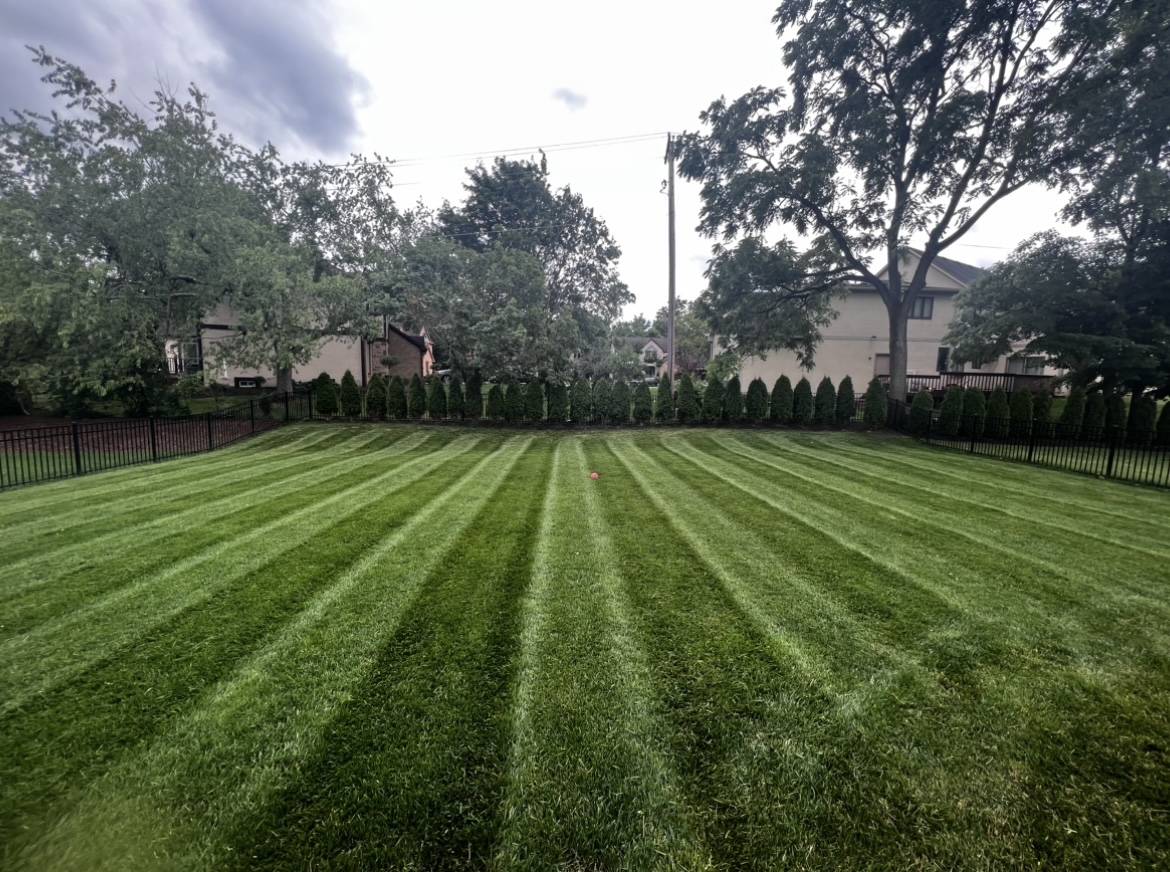
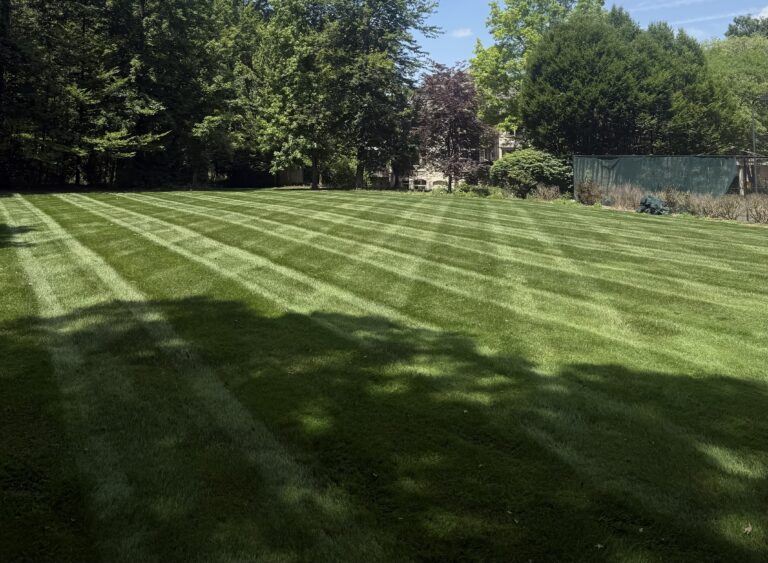
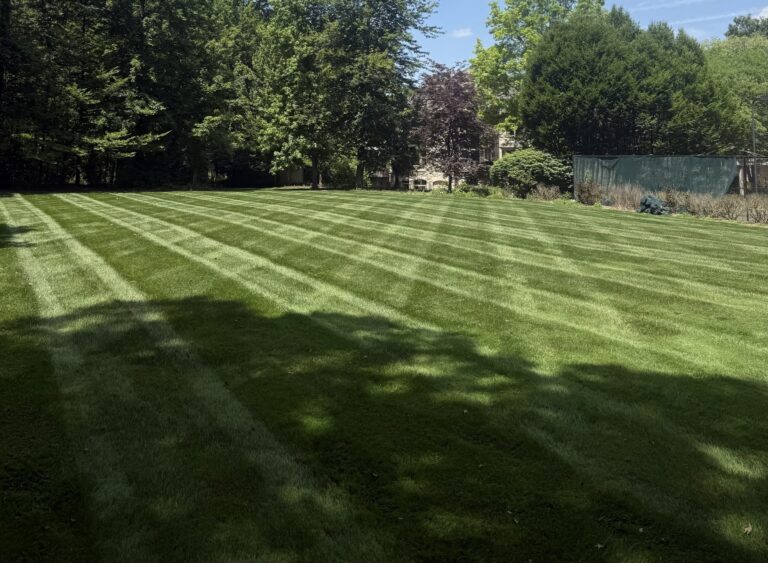
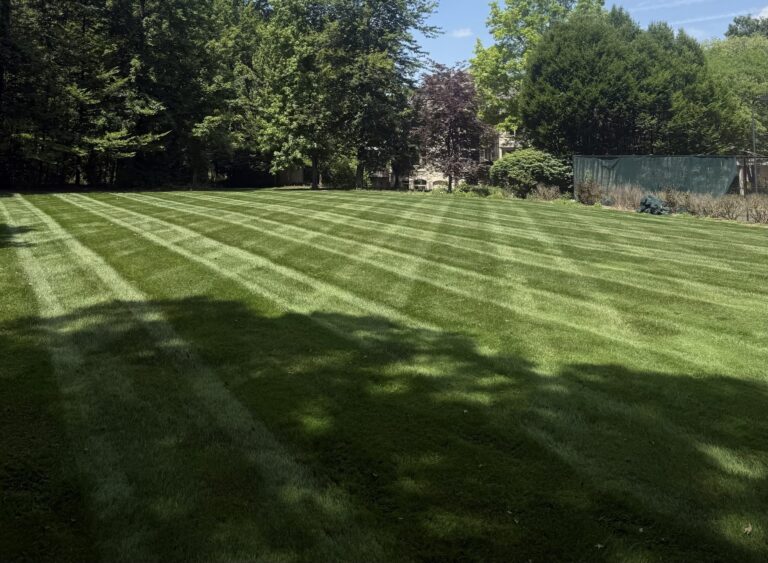
Take a backyard shaded by mature trees in Delaware. Weeds get a foothold in the lawn there, and the work starts with a treatment aimed at them. Five more follow through the growing season, and one insect treatment joins the set. The whole program comes with the six-step fertilization plan, so the lawn gets well-rounded care.

Pricing

Lawn Weed Control Prices in Delaware

The table shows typical prices for a single weed control application based on lawn size. Each row represents a different lawn size and its corresponding price range for one treatment. The full program includes multiple treatments throughout the season.
Lawn SizeWeed Control Price in DelawareUnit
Small lawn, about 3,000 sq ft$45 to $50one lawn treatment application
Mid-size lawn, about 4,500 sq ft$50 to $90one lawn treatment application
Large lawn, about 7,500 sq ft$90 to $120one lawn treatment application
These prices are estimates. The final cost for any job depends on the lawn's specific size and current condition. A firm quote is provided for every project before work begins.

Weed Control in Delaware: FAQ

How many Weed Control treatments do you apply in Delaware?

We apply six Weed Control treatments over the growing season. They target weeds such as dandelions and crabgrass to help your grass stay thick and healthy.

How much does Weed Control cost for a small lawn in Delaware?

For a small lawn of about 3,000 sq ft, one application runs $45 to $50. A mid-size lawn of about 4,500 sq ft is $50 to $90, and a large lawn of about 7,500 sq ft is $90 to $120. The full program includes several treatments through the season.

How do you decide which product to use on my weeds?

A technician reads your lawn first and identifies the grass and weeds, then matches the treatment to both. Broadleaf weeds usually get a selective spray on the leaves, while grassy kinds may need another product or may not be controllable. Each pass is calibrated and spread evenly and kept off ornamentals and paved surfaces.

What changes in my lawn after the weed treatments?

With the right amount for your turf, more nutrients reach leaves and roots, and grass recovers from everyday stress. The insect treatment lowers pests feeding on roots, crowns and foliage, so the lawn thins less and weeds find fewer ways in. We return because weeds appear on their own schedule and are easier while small.

Do shaded lawns in Delaware need a different weed control plan?

The plan does not change for shade. We begin with a treatment aimed at the weeds that gain ground in a shaded yard, then return five more times across the season. One insect treatment is part of the set, and the full program includes our six-step fertilization plan.
Secret Link