Lawn care, mowing & fertilization across Central Ohio

☎ 202 555 0123

Home

/

Locations

/

New Albany, OH

New Albany, OH

6 of 9 services

Lush Lawns In New Albany All Summer Long

It's disheartening when relentless New Albany summers bake your lawn brown and stressed despite your best efforts.

We keep your lawn healthy and green through the heat with fertilization, weed control, and aeration that nourish the roots.

Free quote in New Albany

We reply within one business day.

Thanks, we've got it. We'll call you within one business day with your quote.

Or call 202 555 0123

Lawn care in New Albany, OH

Knowing the roots are struggling under there

When soil gets packed down over time, it chokes off air and water from reaching the roots. That makes your lawn even more vulnerable to weeds and summer insects. The bare spots only get bigger as the grass struggles to recover. Cool, damp springs wake up weeds, so we start early with fertilization and weed control. Summer aeration relieves compacted soil so roots can take in what they need. In the fall, we overseed to mend bare patches for a thicker lawn next spring.

Loosening Ground So Roots Breathe

Packed ground turns rain into runoff, and roots lose the oxygen they need to work. Core aeration pulls small plugs of soil and thatch out of the surface instead of poking narrow holes.

Those channels stay connected to the soil around them, so water reaches the root zone instead of running off. Where the ground is hardest, we add passes in different directions. New Albany lawns that shed heavy rain start soaking it in.

An Even Lawn, Clean Edges

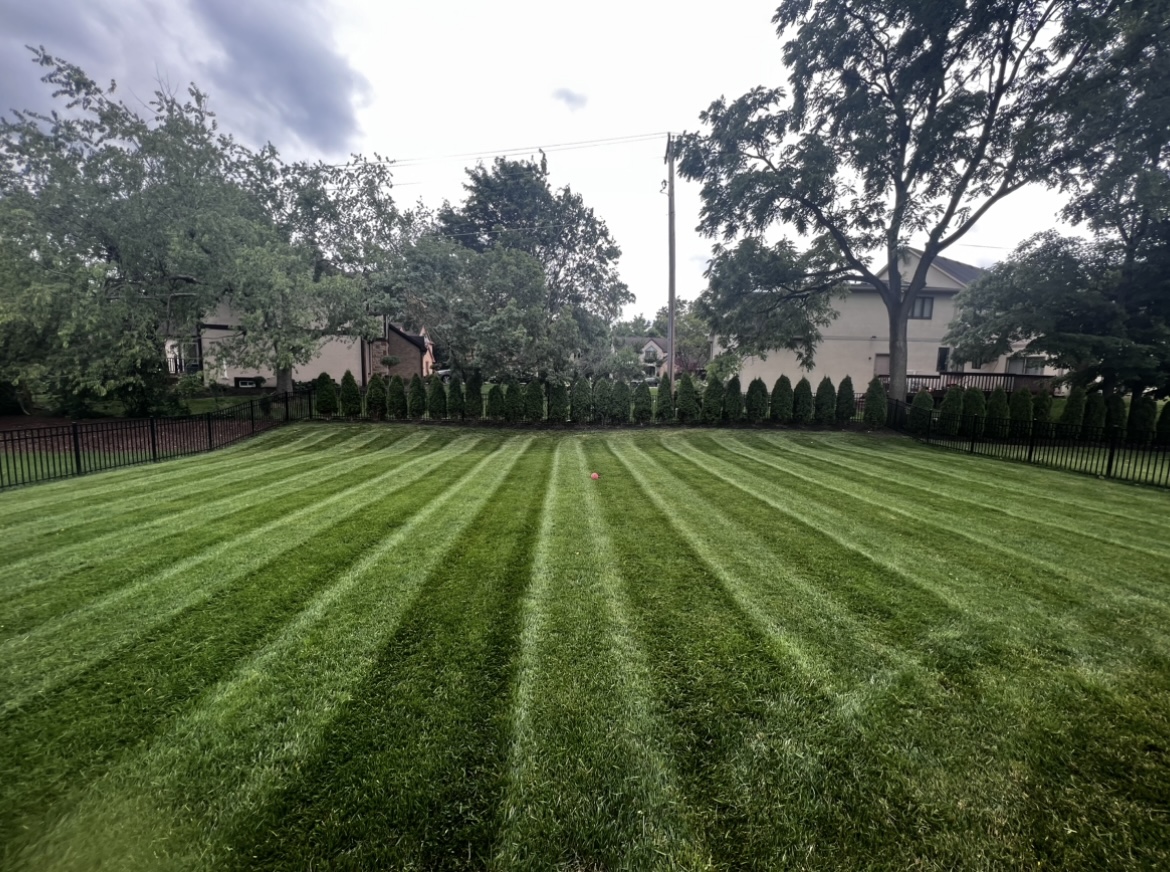
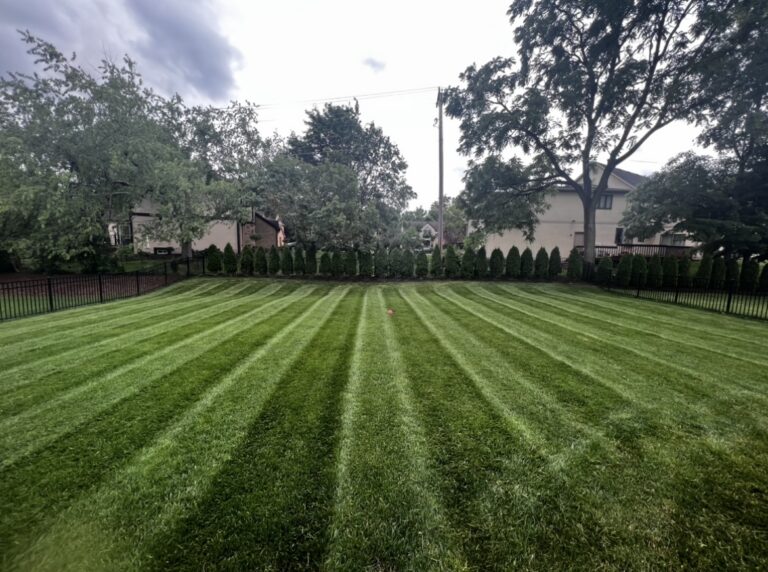
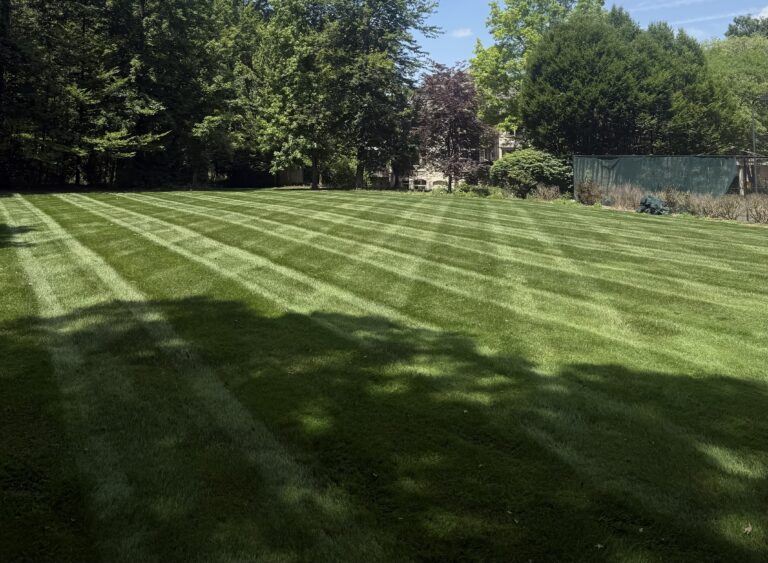
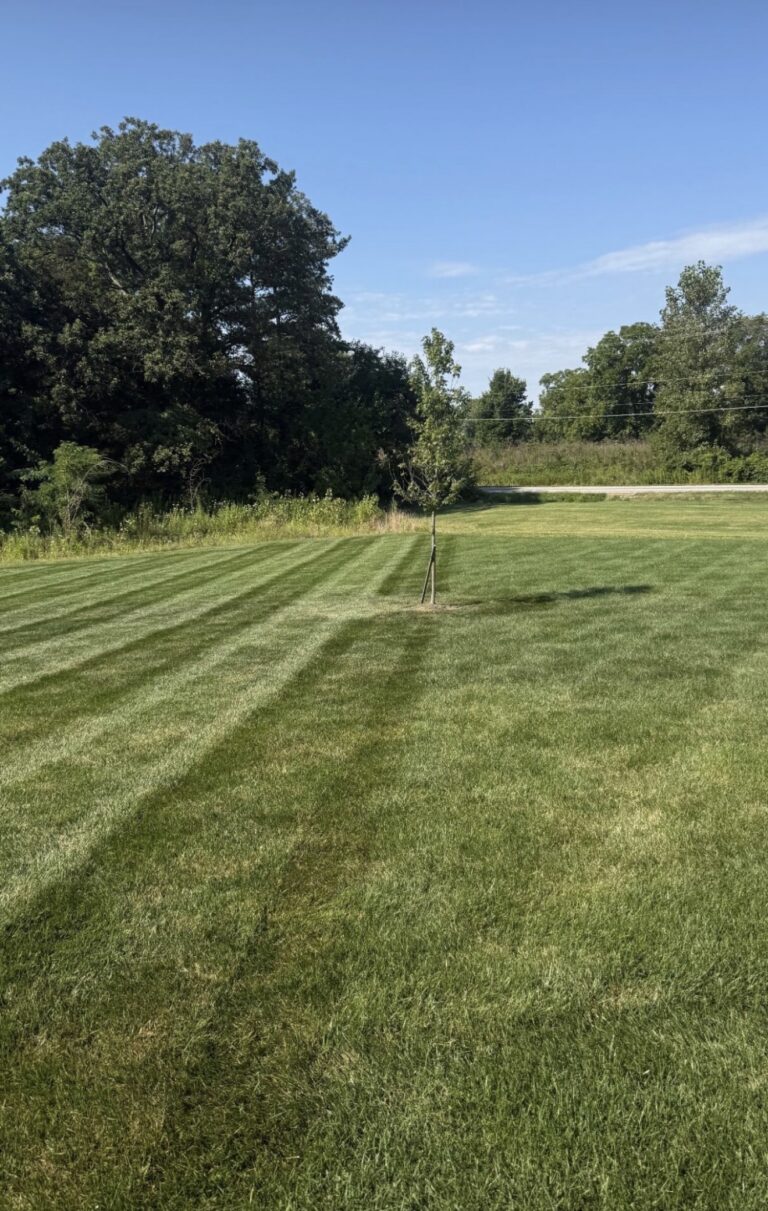
A mower set to remove no more than a third of the leaf leaves enough of the plant to keep feeding its roots. Our lawn mowing visits also vary the pattern to limit ruts, trim around beds, walks and fences, and blow clippings off the pavement.

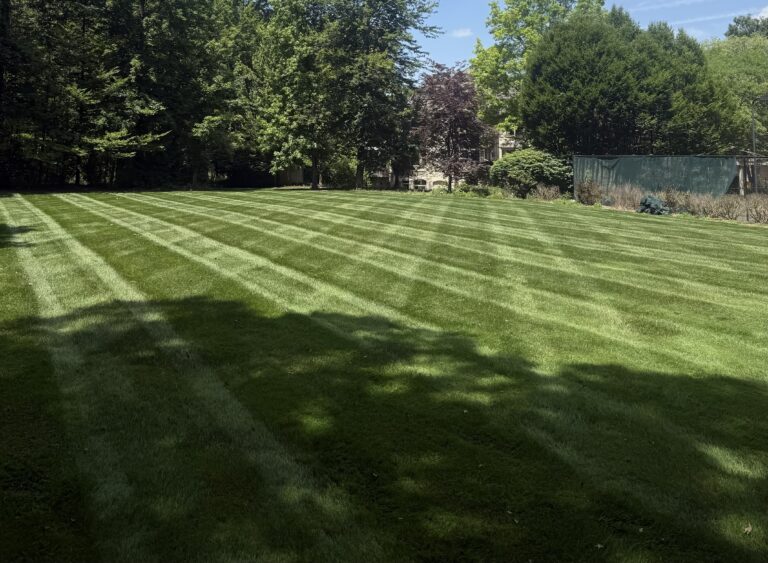
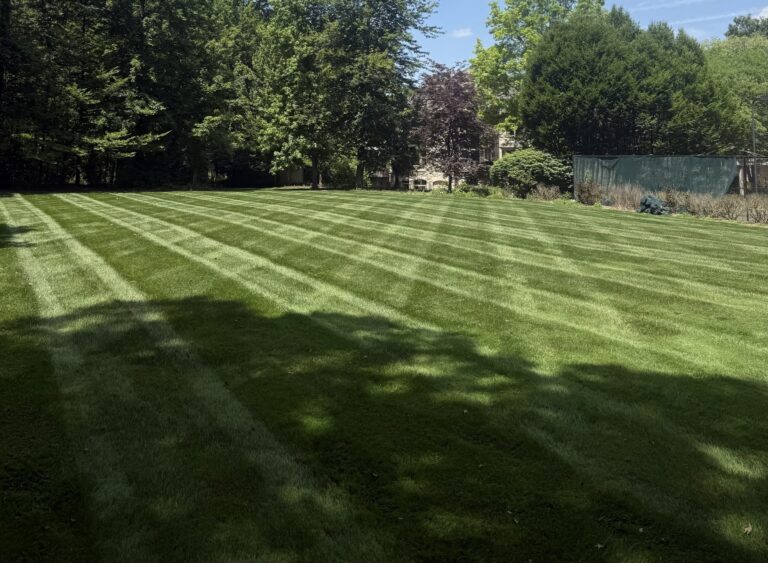
What shows once the work is finished is mostly in the details: crisp edges along the beds, a clear driveway, an even top across the lawn. A uniform canopy spreads light across the whole surface instead of letting it sit in a few tall patches.

Soil Reaction Shapes Nutrient Supply

Soil reaction varies among the mapped series and landscape positions around New Albany, so no single pH figure describes every yard. Nutrient availability tracks that reaction, and where pH runs high, some nutrients become harder for roots to take up. Feeding is therefore split into six treatments spaced across the growing season rather than one heavy dose.

Clay-enriched subsoil sits below many of these lawns and slows water on its way down, so ponding shows up after heavy rain. Saturated ground and standing water are unsuitable for fertilizer, since water can move material off the property. Core aeration targets the spots where compaction or poor infiltration keeps water from draining.

Plants That Match the Seasons

Four distinct seasons and a temperate climate support cool-season turf and many hardy landscape plants here. Kentucky bluegrass, perennial ryegrass and fine fescues fit because they do most of their growing in spring and fall, then slow down when summer heat arrives. Warm-season grasses stay dormant through the long cool stretch, which is why they are a poorer match.

New seed needs steady moisture to germinate, since small roots cannot reach far for water. A dry spell leaves emergence patchy. The frost-free stretch runs about 191 days, and the first fall freeze usually lands near October 27. Seed put down late risks that freeze, and soil heaving as it freezes and thaws can lift plants not yet rooted.

Local Rules That Shape Mowing

Yard waste here goes out loose, in paper yard-waste bags, or in a can marked for yard waste only. Dirt, rocks, sod, soil, plastic bags and plastic plant pots do not belong in the setout. Set it at the curb before 7 a.m. on the day collection is scheduled. Clippings blown off the pavement are yard waste when set out.

A lawn and the right-of-way beside it must stay no taller than 8 inches from March 1 through October 31, so weekly mowing visits run through that stretch. Mowers, blowers and edge trimmers can run on Sunday but not from 8:00 p.m. to 8:00 a.m. on any day. That timing window shapes when work can start and finish.

Mowing a Narrow Side Yard

Picture a narrow side yard between two houses in New Albany, where the grass runs in a tight strip and the edges keep growing out. A weekly visit starts with a professional cut, then trimming along the edges and around the beds. Clippings are blown from the sidewalk and driveway, leaving a neat, even strip.

Pricing

Lawn Care Service Prices in New Albany

This table lists price ranges for several lawn care services. Each row shows the cost for a single application or visit. For mowing, prices vary with lawn complexity, slopes, and access. Prices for other services are based on the size of the area treated.
ServicePrice in New AlbanyUnit
Fertilization$45 to $195one granular fertilizer application
Weed Control$38 to $105one lawn treatment application covering approximately 3,000–7,500 square feet
Aeration$120 to $275one core-aeration visit
Lawn Mowing$55 to $105per week
Fertilization and Weed Control$75 to $175per application
Overseeding$180 to $400one overseeding application for one lawn
All prices shown are estimates. The actual price for a service will depend on your property's specific size and condition. A detailed quote is provided for each job.

Service area

Serving New Albany and nearby

New Albany is one of 10 Central Ohio communities SMIGGS serves. We also work in these nearby towns:

New Albany lawn care FAQ

What helps a lawn when the soil underneath is packed down?

Packed ground shuts air and water away from the roots, so grass gets weaker against weeds and summer insects. We begin in spring with early feeding and weed control, ease the compaction with aeration in summer, and overseed in fall to repair bare patches.

What does overseeding cost in New Albany?

Overseeding runs $180 to $400 for one application on a single lawn. Prices for our other services depend on how large the treated area is, and mowing quotes reflect the lawn's complexity, slopes and access.

How does core aeration help a lawn that sheds heavy rain?

We pull out little cores of soil and thatch rather than punching thin holes in the turf. Those channels stay open to the soil around them, so storm water soaks down to the roots rather than washing off. On the hardest ground, we make extra passes in different directions.

Why do you split feeding into six treatments?

Soil reaction differs from yard to yard here, so no single pH number fits every lawn. Where pH runs high, roots have a harder time taking up some nutrients. We feed in six rounds spaced through the growing season instead of one heavy dose.

Do you mow narrow strips between houses?

Yes, we mow tight strips like that on a weekly schedule. Each visit starts with a cut, then we trim along the borders and around the beds, and blow clippings off the sidewalk and driveway. You are left with a neat, even strip.
Secret Link