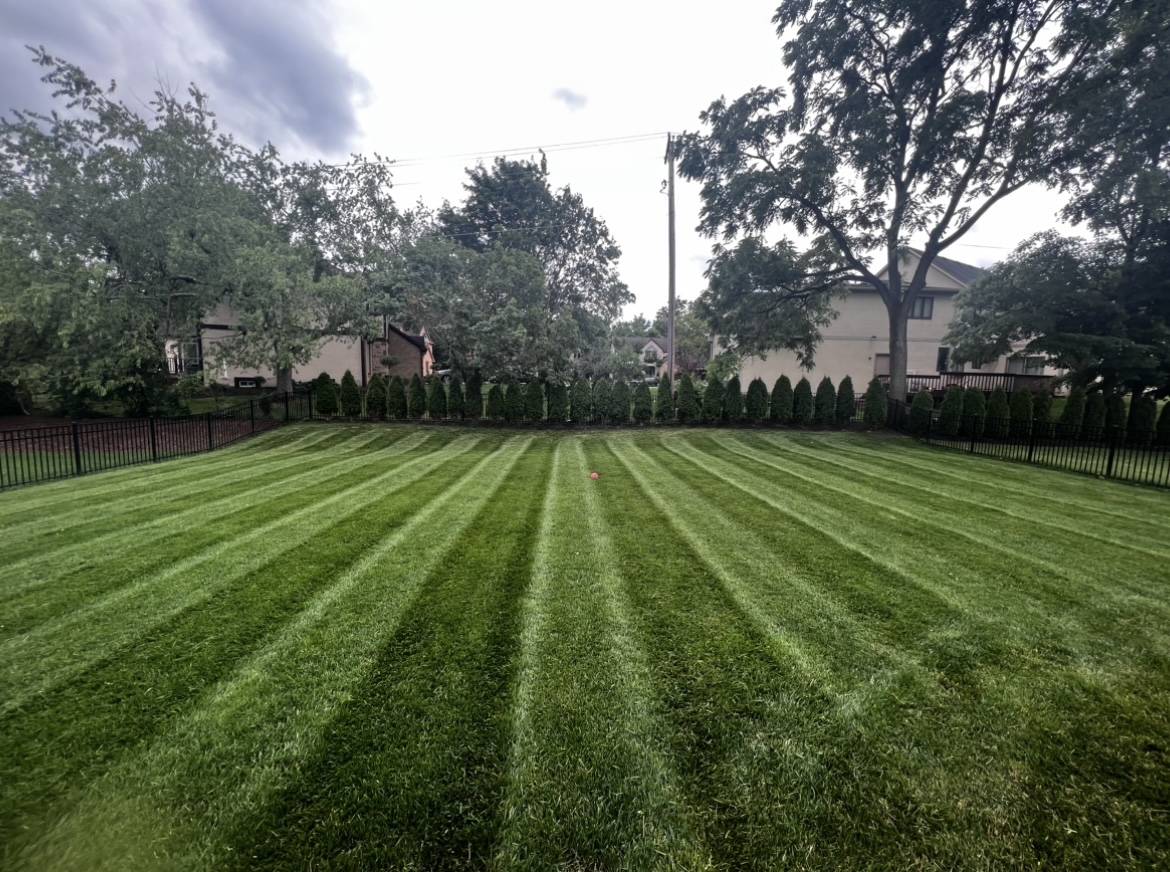
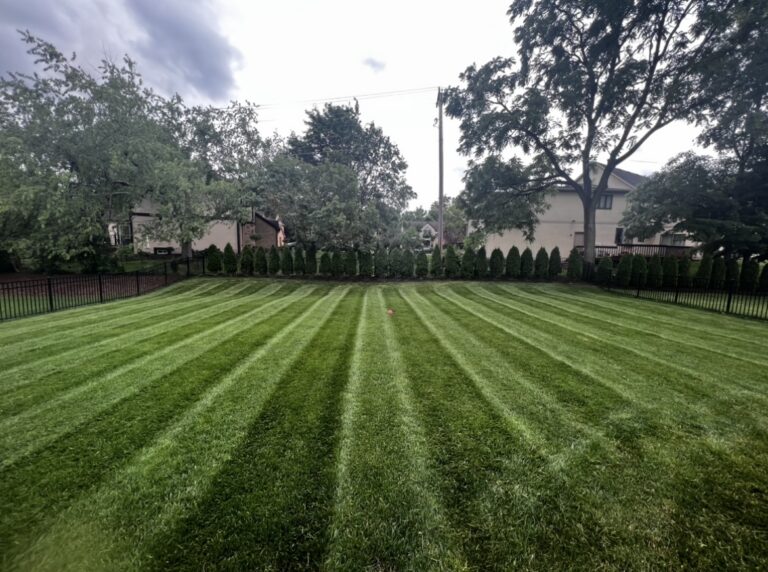
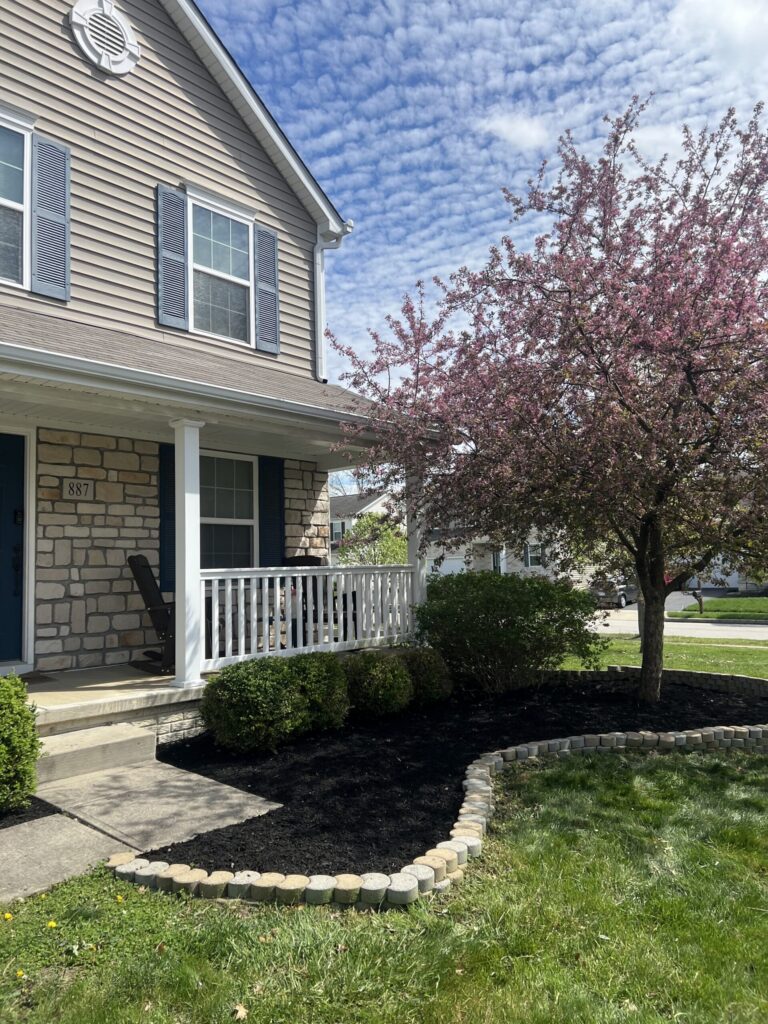
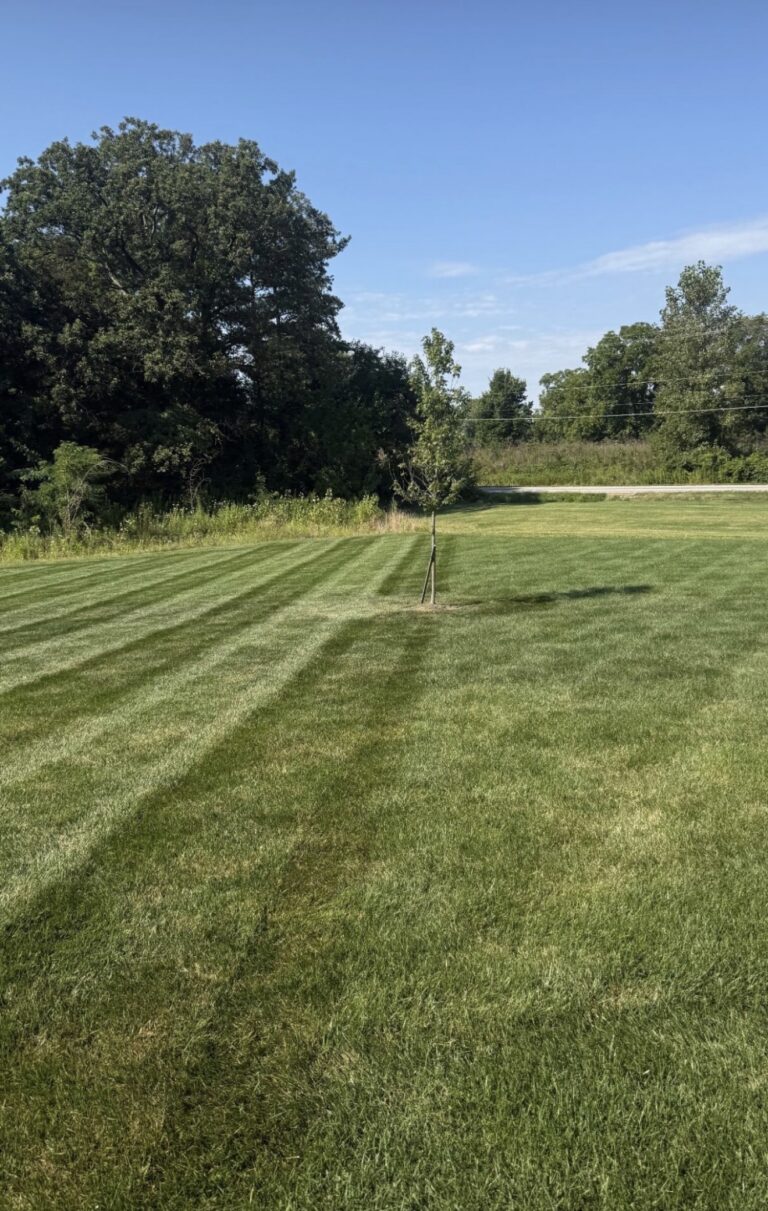
Lawn care, mowing & fertilization across Central Ohio

☎ 202 555 0123

Lawn Care in Delaware, OH

Expert Lawn Care In Delaware

Your Delaware lawn stays thin and patchy even after all your hard work.

We aerate, fertilize, and overseed to build thick, green grass that finally fills in those bare spots.

Lawn Care quote in Delaware

We reply within one business day.

Thanks, we've got it. We'll call you within one business day with your quote.

Or call 202 555 0123

Lawn Care in Delaware, OH

Weeds take over every bare patch

You've tried seed and fertilizer from the garden store, but the results never last. The thin spots come back, often worse, and you're left wondering if your soil is simply too worn out to support healthy grass.A complete lawn care plan in Delaware addresses these hidden issues. Our aeration loosens tight clay soil, while regular feeding gives roots the nutrients they need to spread and thicken.

More in Delaware

Other services in Delaware

Pair it with another SMIGGS service in Delaware. Tap a service to see what's included.

Need a service that isn't listed? We offer all nine in Delaware, Dublin, Powell and Lewis Center. Ask us and we'll confirm.

Fixing the Ground Underneath

Compacted ground is often why seed washes out and weeds move in. In Delaware, core aeration pulls small plugs from the surface so air, water, and roots move through the soil again.

A six-step granular feeding program then keeps grass growing through the season, and thin areas get fresh seed spread over them. That combination is what Lawn Care here is built around, and it leaves less open ground for weeds to claim.

What Waiting Costs You

Spring and fall are when cool-season grass does most of its growing in Delaware, and the freeze dates frame that window. Regular cutting, feeding, and aeration fit around that rhythm instead of fighting it.

Let a season slide and the soil underneath stays tight, so rain sits near the surface rather than moving down to the roots. Weeds find the open ground first, and later seed has to take on ground that has had another year to pack down.

What the Lawn Needs Next

After the work, what the property needs next depends on the ground here. Seasonally wet soils are easily damaged when mowed or walked on while saturated, so the lawn is best left alone during those stretches. New seed needs the same restraint, since fragile seedlings are displaced by traffic. Aeration also relies on grass that is actively growing so it can close the openings it leaves.

How Soil Changes in Delaware

Granular fertilizer puts mineral nutrients into the soil, where they dissolve in water and roots take them up. The soil also holds and exchanges some nutrients for later use. When applications repeat, phosphorus and potassium can build up beyond what the grass needs, while nitrogen keeps cycling through uptake, change, and loss.

The growing season here lasts about 191 days, from the last spring freeze to the first fall freeze. The first fall freeze usually arrives around October 27, and in one year out of ten it comes as early as October 14. That window sets how long grass roots stay active and how much time new seed has to establish.

Aeration pulls small cores of soil and thatch from the lawn, opening space for water, air, and nutrients to reach roots. For cool-season turf, late summer or early fall is the preferred time because recovery can happen before winter and heat stress is lower. Overseeding adds living organic matter as seedlings mature, and more plants fill the available space.

Local Rules for Lawn Care

A property’s grass and weeds, and the right-of-way beside it, must stay no taller than 10 inches. Mowing and weed control address that growth. After a notice, the owner gets five business days to mow before the city steps in and bills the owner, adding an administrative fee. Only one notice is required each calendar year.

Yard waste cannot go into tipcarts, so clippings are bagged separately after a cut. Pickup happens between mid-April and mid-December on the usual trash day. Containers of 32 gallons with handles and a Yard Waste label work, as do paper bags, and each must weigh 50 pounds or less, which covers clippings and soil from mowing and aeration.

Six Feedings Beside the Woods

Say a yard that backs onto a wooded lot in Delaware has grass that looks pale and needs fertilizer. Six visits across the growing season put down a granular fertilizer that nourishes the lawn. Each application helps the grass look better. The lawn is nourished and more attractive.

Pricing

Typical Lawn Care Costs in Delaware

The table shows price ranges for several lawn care services. Each price is for a single visit or application. For weekly mowing, the cost is affected by lawn complexity, including obstacles, slopes, and property access. Other service prices are based on the size of the lawn.
Lawn Care ServiceLawn Care Price in DelawareUnit
Fertilization$45 to $139one granular fertilizer application
Weed Control$45 to $120one lawn treatment application
Aeration$120 to $275one core-aeration visit for the lawn
Lawn Mowing$55 to $105per week
Fertilization and Weed Control$75 to $175per application
Overseeding$180 to $400one overseeding application
These prices are estimates. The final cost for any job depends on the property's size and current condition. A firm quote is provided for every project before work starts.

Lawn Care in Delaware: FAQ

What does a complete Lawn Care plan do for my thin, patchy grass?

A full plan goes after the soil problems that let thin spots come back season after season. Our aeration loosens tight clay so air and water move through it, and regular feeding gives roots what they need to spread and thicken the grass.

How much does lawn care cost in Delaware?

Prices are for a single visit or application. Fertilization runs $45 to $139 for one granular application, mowing is $55 to $105 per week, and overseeding is $180 to $400. Mowing quotes depend on obstacles, slopes, and property access, while other services go by lawn size.

What does core aeration do for compacted soil?

Core aeration pulls small plugs out of the ground so air, water, and roots can move through the soil again. A six-step granular feeding program keeps grass growing all season, and we spread new seed across the thin spots.

What happens if I let a season slide?

If a season goes by without care, the soil underneath stays tight and rain sits near the surface instead of reaching the roots. Weeds claim the open ground first, and seed you add later has to work against ground that packed down for another year.

How tall can my grass get before the city takes action?

Grass and weeds, including the strip beside your property, must stay at 10 inches or less. If the city sends a notice, you get five business days to cut it before crews come out and charge you, plus an administrative fee. The city needs to give only one notice per calendar year.
Secret Link