Lawn care, mowing & fertilization across Central Ohio

Menu

Lawn care, mowing & fertilization across Central Ohio
Menu
Services
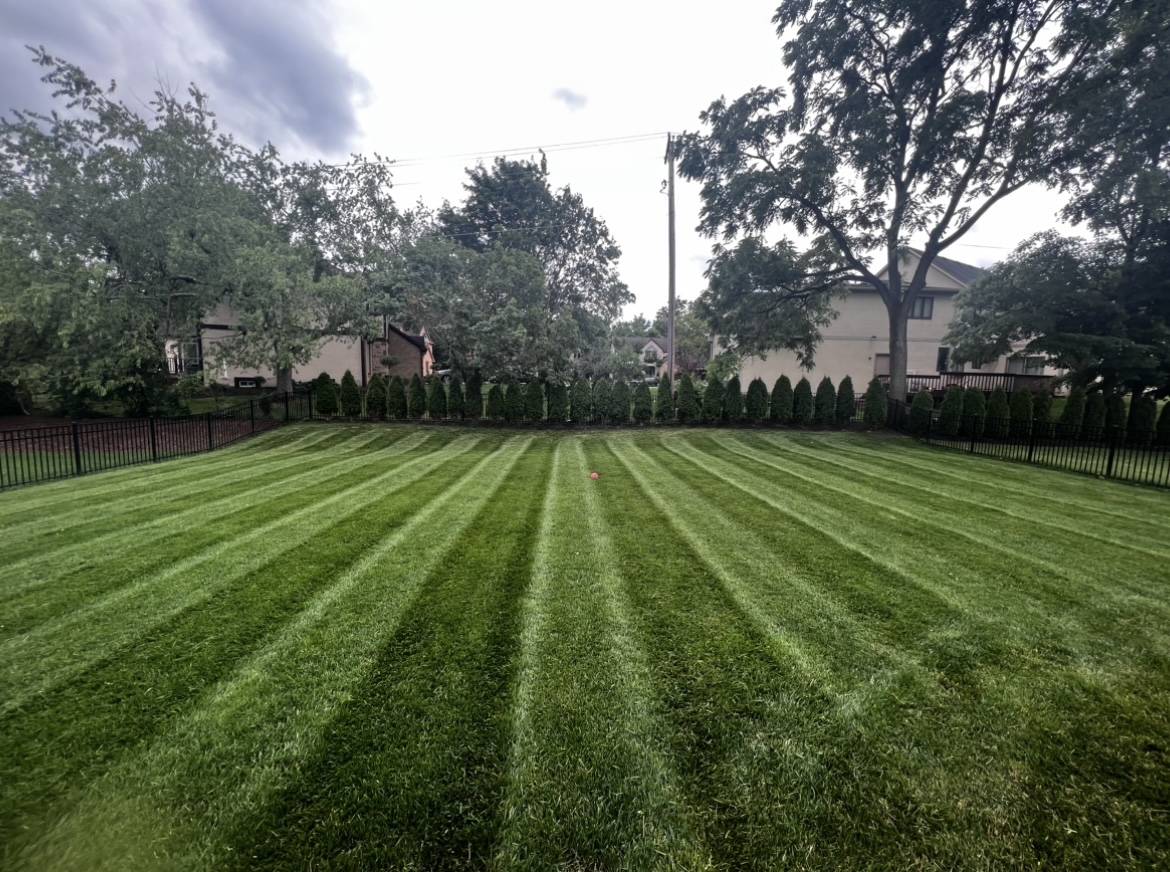
Your Westerville lawn care routine still leaves grass patchy, weedy, and dull by midsummer.
Healthy, dense grass comes from Smiggs Lawn Care's six-step fertilization, weed control, aeration, and weekly mowing in Westerville.
Lawn Care in Westerville, OH
More in Westerville
Pair it with another SMIGGS service in Westerville. Tap a service to see what's included.
Need a service that isn't listed? We offer all nine in Delaware, Dublin, Powell and Lewis Center. Ask us and we'll confirm.
Pricing
Nearby
We also offer Lawn Care in these nearby towns:
What does your Lawn Care program in Westerville include?
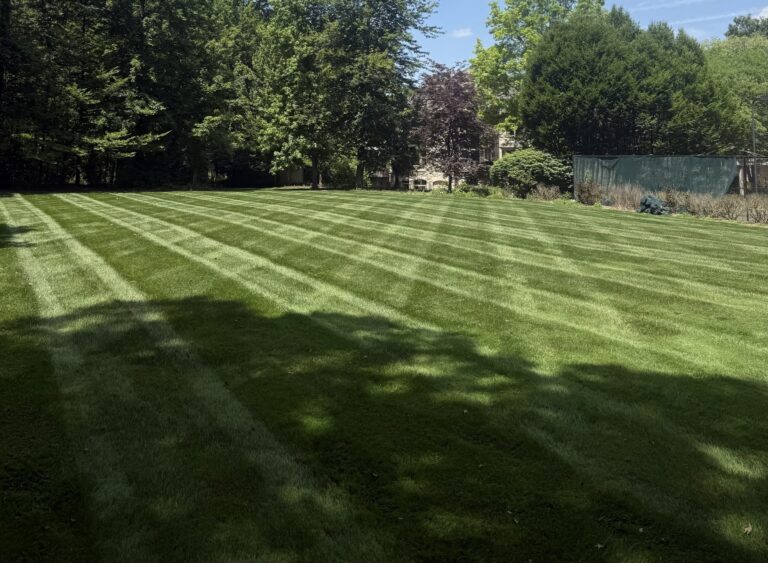
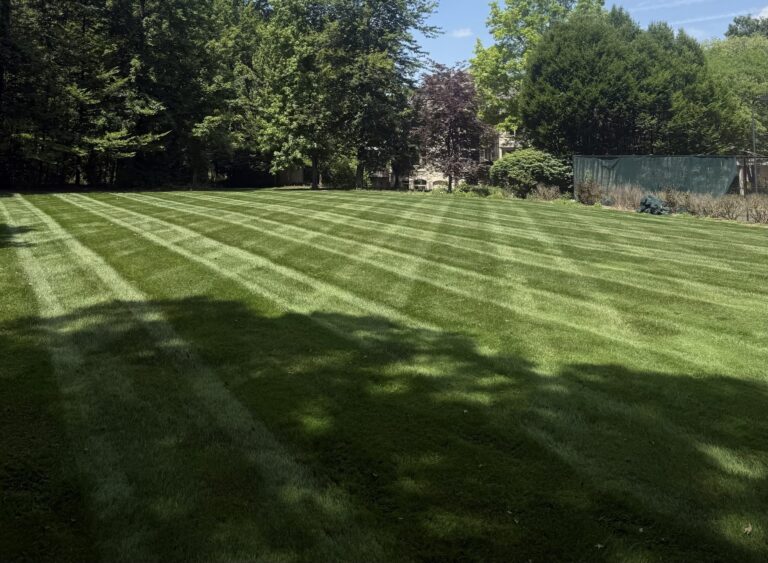
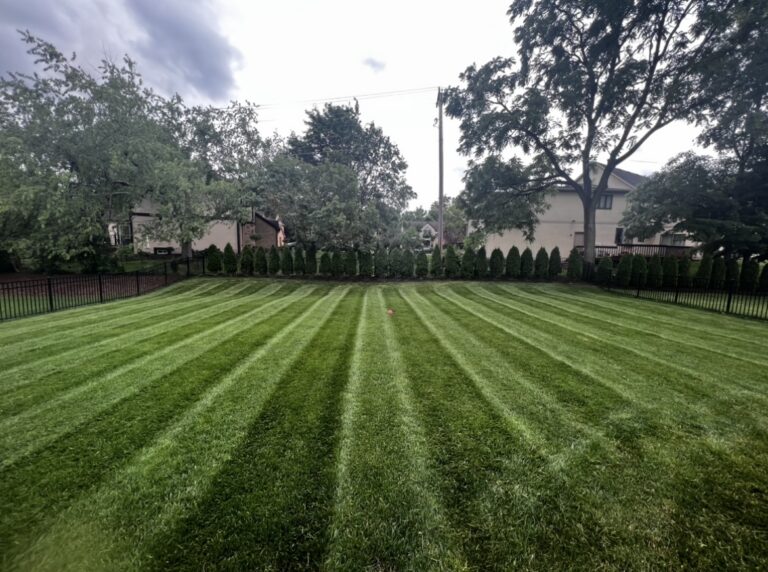
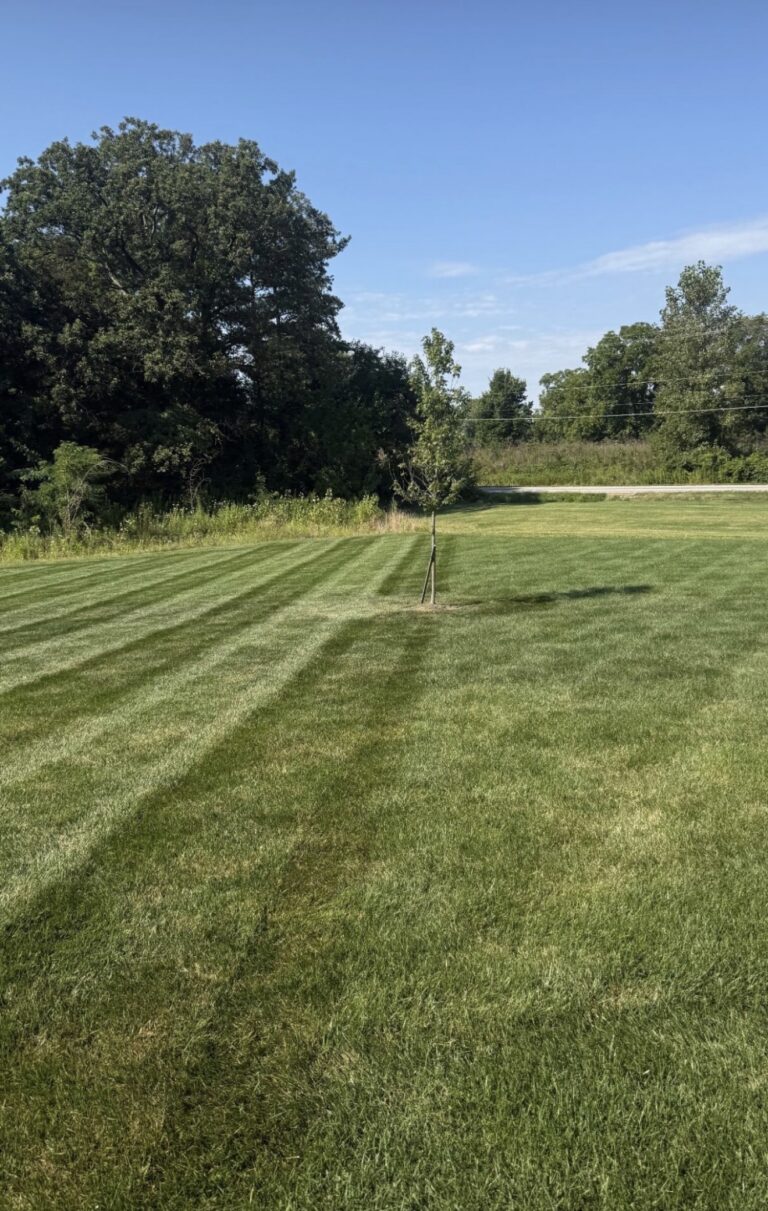
We run a six-step fertilization program along with six weed treatments. Weekly mowing, core aeration, and overseeding round out the work we do here. The result we aim for is dense, healthy grass that holds up through summer heat.
How much do your lawn care services cost?
Each price covers one visit or application, and most services are priced by lawn size. Mowing is $55 to $105 per week, and the price changes with lawn complexity, slopes, and how easy the property is to access. Aeration is $120 to $275, and overseeding is $180 to $400.
What happens during a lawn care visit?
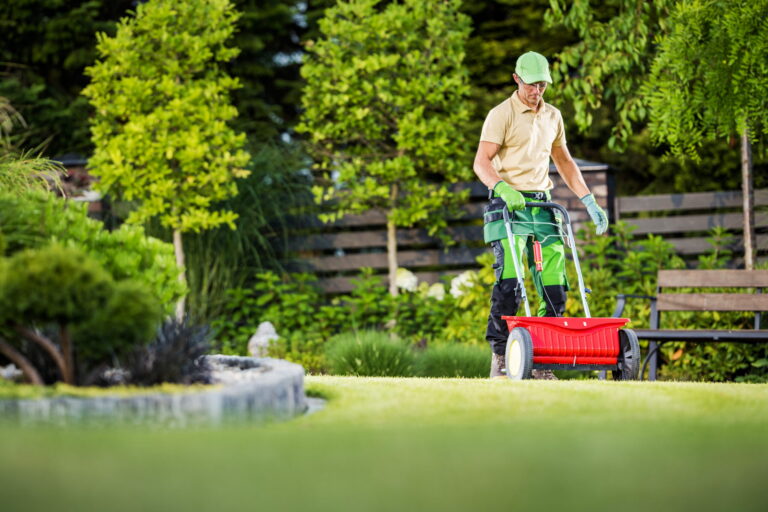
We start with a walk of the lawn to check the grass, any weeds, and spots where water collects. Fertilizer goes down at the label rate with a spreader we calibrate. Over the season we make six feedings and six weed treatments, and we add an insect treatment if damaging activity shows up.
What difference will I see after a full season?
Most feedings go down in spring and fall, when the grass is growing fastest, and we space weed treatments through the warm months. Edges around walks and beds stay neat, and we blow clippings off the drive after every visit. By season's end the lawn looks like one even surface with fewer weeds.
Why does the timing of fertilizer and treatments matter?
Fertilizer works while the grass is actively growing, and when growth slows the lawn takes up less of it. Treatments do their best work in summer heat and July rain, when growth and insect activity pick up. Winter cold shuts growth down, and we get about 191 growing days here between the usual freezes.