Lawn care, mowing & fertilization across Central Ohio

Menu

Lawn care, mowing & fertilization across Central Ohio
Menu
Services
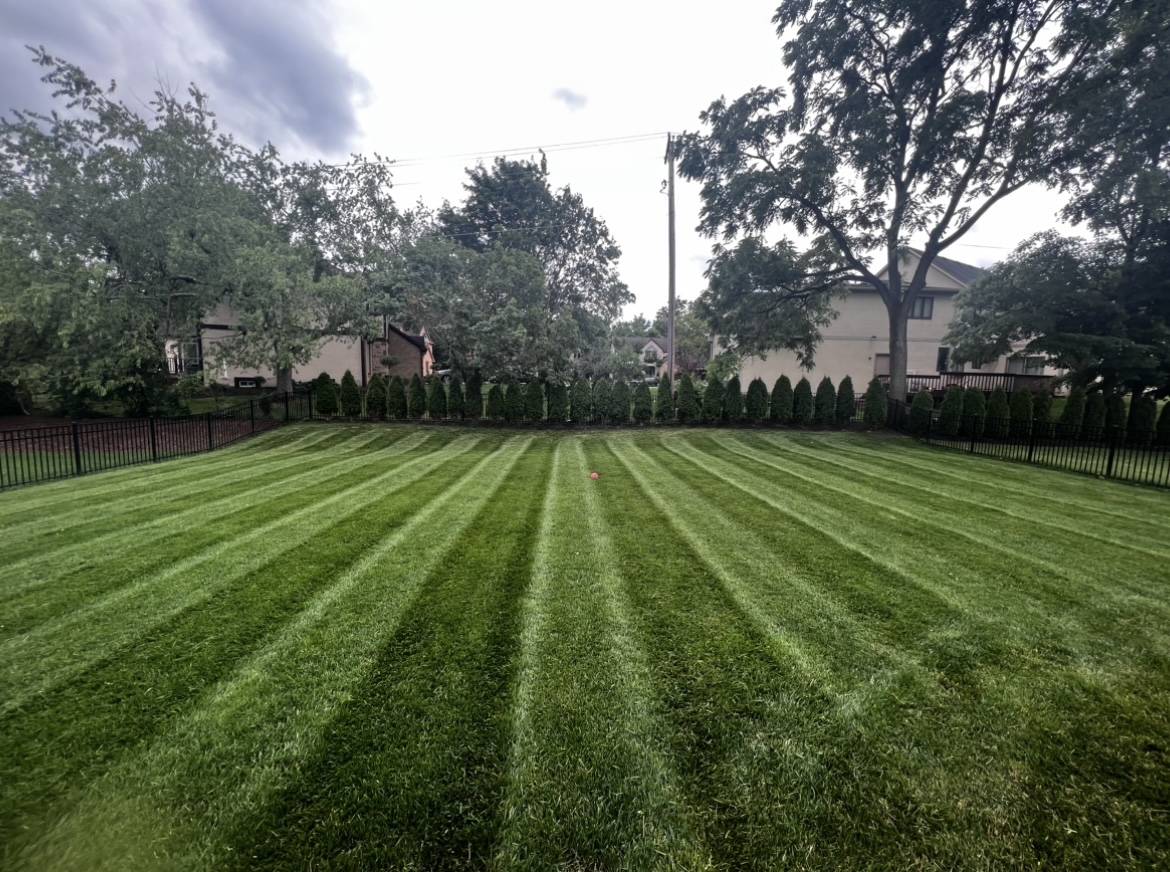
Your lawn in Delaware looks thin and pale even after you water and mow.
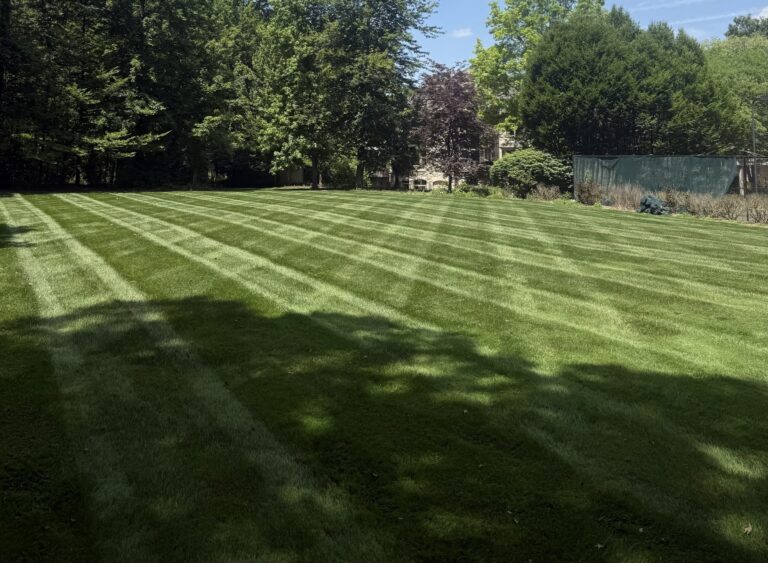
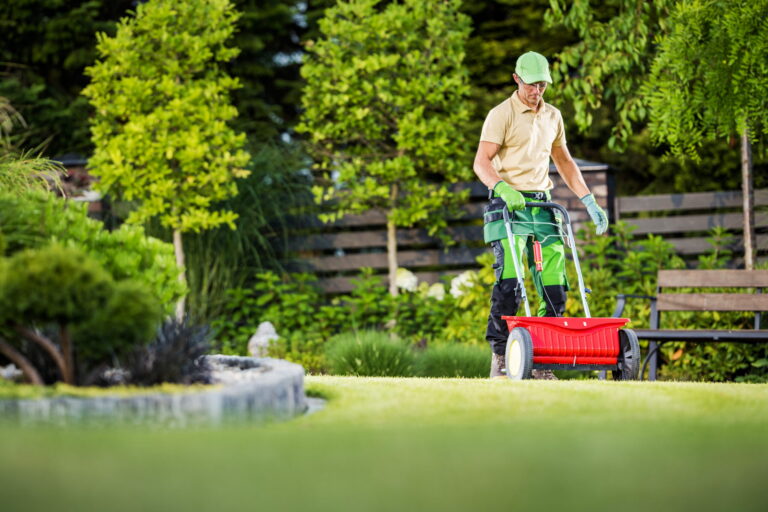
Our Delaware lawn care crew applies a six-step granular fertilizer that thickens your turf and deepens its color.
Fertilization in Delaware, OH
More in Delaware
Pair it with another SMIGGS service in Delaware. Tap a service to see what's included.
Need a service that isn't listed? We offer all nine in Delaware, Dublin, Powell and Lewis Center. Ask us and we'll confirm.
Pricing
Nearby
We also offer Fertilization in these nearby towns:
How much does fertilization cost in Delaware?
One granular application runs $45 to $70 for lawns under 5,000 sq ft, $70 to $85 for a quarter-acre, and $85 to $105 for 5,000 to 10,000 sq ft. Lawns between 10,000 and 20,000 sq ft cost $105 to $139. The program is six applications over the growing season.
Do you test the soil before you feed my lawn?
We inspect the lawn and run a soil test when it is available, which shows us what the soil needs and at what rate. We set the spreader to the label and to the size we measured, and we make overlapping passes. If granules land on pavement, we sweep them back onto the grass.
Will you handle all the feeding so my weekends stay free?
Yes, our crew handles every round from start to finish. Walking the lawn six times adds up to hours of work. Growth is strongest in spring and fall, and it slows in summer heat and winter dormancy, so we space the rounds to suit.
When does the first round of feeding go down?
We make the first pass when spring growth is underway and the turf can use it. The six rounds are spaced through the season in smaller doses timed to the turf, not one heavy pass. Heavy rain, soggy ground or frozen turf are poor conditions, since water can carry granules off the property.
What happens to my lawn if a feeding is skipped?
Without feeding, the grass cannot replace what growth pulls out, so it loses color and thins. Granules give up their nutrients only after they dissolve in damp soil and the roots absorb them, so a winter application lands before the turf is growing. Too much nitrogen drives soft, watery growth that needs more upkeep.