Lawn care, mowing & fertilization across Central Ohio

☎ 202 555 0123

Overseeding in Delaware, OH

Thicker Grass Starts With Overseeding In Delaware

Your Delaware yard has more bare dirt and thin patches than actual grass.

Our crew spreads new seed over your existing lawn to fill those gaps and grow a dense, green carpet.

Overseeding quote in Delaware

We reply within one business day.

Thanks, we've got it. We'll call you within one business day with your quote.

Or call 202 555 0123

Overseeding in Delaware, OH

Bare spots become weed magnets

Every bare patch is an open invitation for weeds to take root. Once they settle in, they spread faster than your grass can recover. Before long, you're spending weekends pulling weeds instead of enjoying your yard.A thick lawn also stands up better to Delaware summers and backyard games. It helps the soil hold moisture during dry spells and bounces back after heavy use. A dense lawn simply handles whatever the season throws at it.

More in Delaware

Other services in Delaware

Pair it with another SMIGGS service in Delaware. Tap a service to see what's included.

Need a service that isn't listed? We offer all nine in Delaware, Dublin, Powell and Lewis Center. Ask us and we'll confirm.

Seed That Reaches Soil

Thin turf gets fixed by preparing the ground first. The crew cuts the lawn low enough to expose soil, then clears thatch and loose debris so seed lands on dirt instead of resting on top. In Delaware, that prep work matters because bare ground invites weeds.

Overseeding puts new grass seed into those open spaces. A spreader lays it down in overlapping passes, and thin spots get a little extra seed without crowding. More plants take hold, so the surface fills in and becomes denser.

Working With Local Seasons

Delaware’s growing season runs about 191 days between the last spring freeze and the first fall freeze. That window shapes when seed can go down and how much time it has to establish before winter. Spring and fall give cool-season grass its best stretch for growth.

In Delaware, wet spring ground can stay saturated in low spots, so seed goes down once the surface is workable. Summer heat slows cool-season grass, and dry spells between rains pull moisture from young seedlings. Fall planting needs mild weather before the first fall freeze so new grass can establish.

How the Ground Drains

Soil under Delaware yards changes from one property to the next. Local series include Glynwood, Blount, Pewamo, Amanda, Bennington, Centerburg and Crosby, which sit on upland, till plain and depressional ground. Level or low-lying spots drain poorly, so the top layer can stay waterlogged or hold standing water.

Higher, well-drained ground behaves differently. Runoff keeps much of the rain from soaking in, water rarely sits near the surface, and summer dry spells can stress grass harder there. An organic matter test gives a percentage that shows how well a soil holds water, which matters when seed has to stay damp.

Seed also needs an even spread and firm contact with dirt. A broadcast or drop spreader covers the lawn, and overlapping passes cut down on missed strips. When the surface blocks contact, a vertical slicer, light raking or a slit seeder works seed into the top layer. Heavy shade, packed ground, thick thatch and wet surfaces all hold establishment back.

Freeze Dates Set the Window

Timing decides whether the seed gets the moisture it needs. New seed only starts when it sits against damp soil long enough to take in water. Let the surface dry out during that stretch and germination comes in patches, since a sprout uses up its stored reserves before roots can support it.

Late summer into early fall is the best window for seeding here, while the soil is still warm and the air is turning milder. Seed put down then has time to grow roots and shoots before autumn’s first freeze. A later start leaves seedlings too small to make it through the cold.

The final spring cold snap at 32°F usually lands around April 18, and once in ten years it holds off until May 5. Winter’s repeated freezing and thawing can lift the soil and disturb roots when the ground stays wet. Cold at both ends of the year decides how much growing time seed really gets.

Delaware Yard Waste Rules

Sticks, sod, soil, rocks, grass trimmings and other yard waste must not go in a tipcart here. For overseeding, that means any clippings or debris cleared from thin spots must be kept out of the cart. Leaving that material piled on the lawn can block seed from reaching soil, which works against the new growth.

Seed for a Play Yard

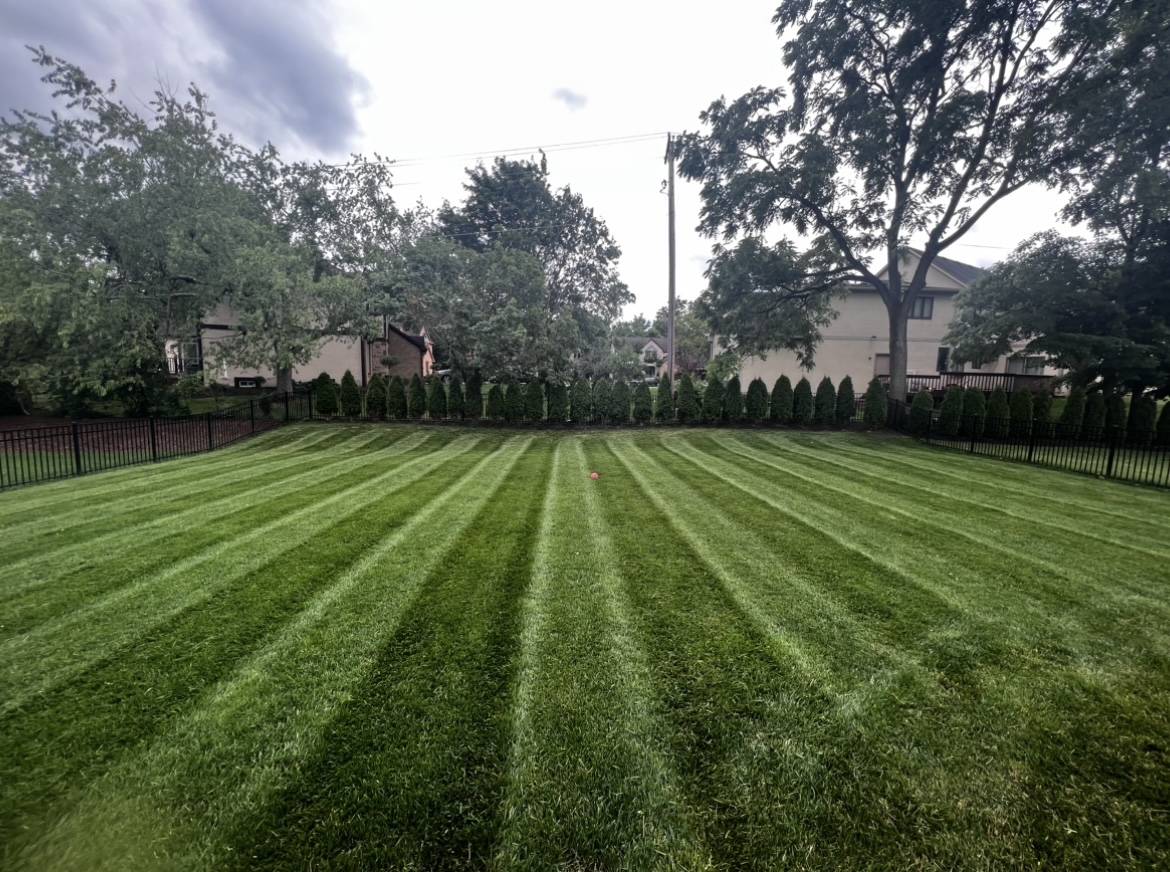
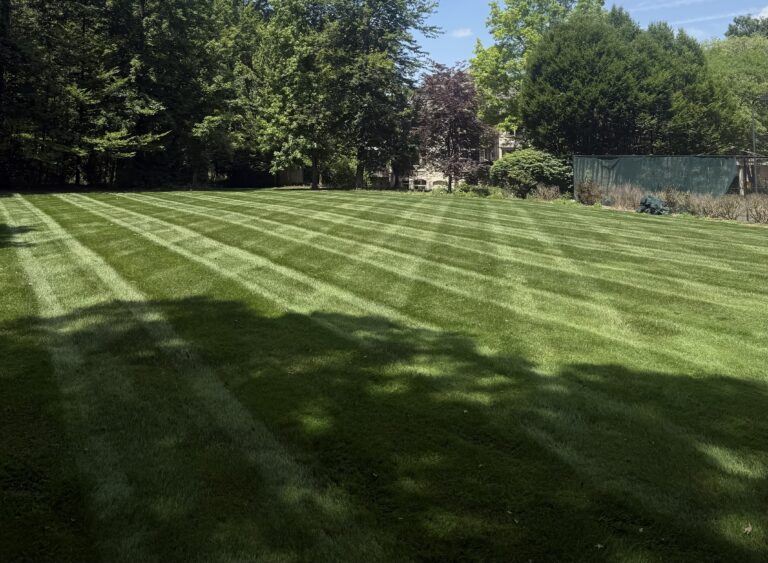
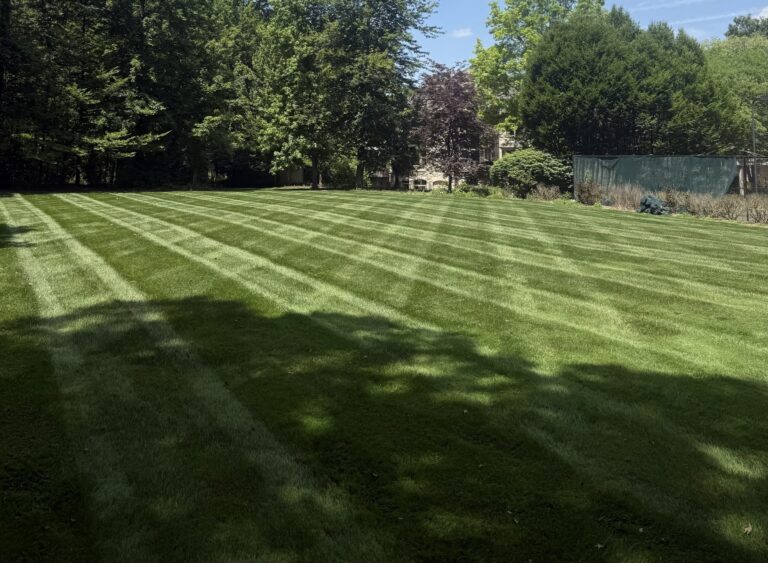
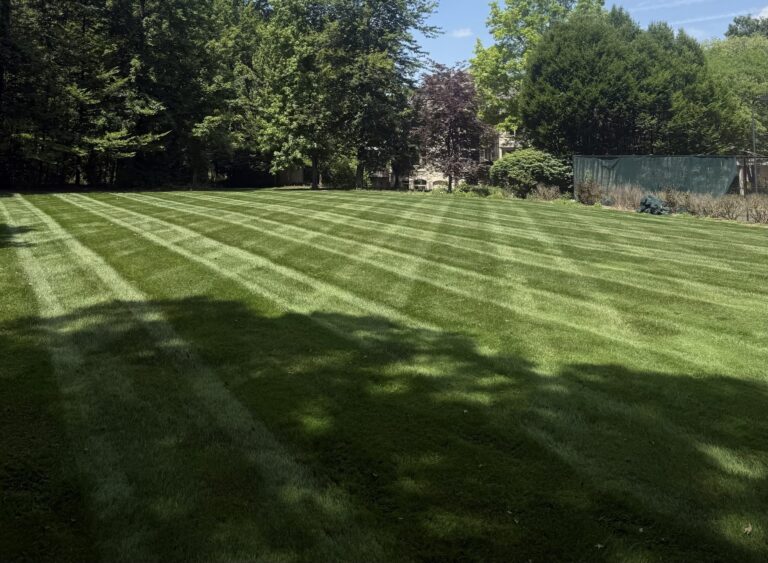
Picture a backyard where children play most afternoons in Delaware. The middle of the lawn is worn down to dirt and patchy grass. The team spreads new seed across the existing lawn. New grass fills the thin areas, and the lawn grows thicker and greener.

Pricing

Lawn Overseeding Prices in Delaware

The table shows typical prices for overseeding based on lawn size. Each price covers a single application of new grass seed over an existing lawn. The rows show price ranges for small to very large properties.
Lawn SizeOverseeding Price in DelawareUnit
Small lawn, under 5,000 sq ft$180 to $220one overseeding application
Standard lawn, 5,000–10,000 sq ft$220 to $300one overseeding application
Large lawn, 10,000–20,000 sq ft$300 to $360one overseeding application
Very large lawn, 20,000+ sq ft$360 to $400one overseeding application
These prices are estimates for typical jobs. The final cost for your property will depend on its specific size and condition. A firm quote is provided for every project.

Overseeding in Delaware: FAQ

Why do bare spots in my lawn turn into weed problems?

Weeds move into bare dirt fast, and once they take hold they outgrow the grass around them. Weekends then go to pulling weeds rather than enjoying the yard. A thick lawn holds moisture through dry spells and stands up to backyard games.

How much does overseeding cost in Delaware?

Pricing depends on lawn size, and each figure is the cost of spreading new seed once over your existing lawn. A small lawn under 5,000 sq ft runs $180 to $220, while a 5,000 to 10,000 sq ft lawn runs $220 to $300. Larger properties go up from there.

What do you do so new seed reaches the soil?

We cut the lawn low to expose soil, then clear thatch and loose debris so the seed lands on dirt rather than resting on top. A spreader covers the lawn in overlapping passes, with a bit more seed on the thin spots so they do not get crowded. More plants take hold, and the surface fills in denser.

How does my soil's drainage affect overseeding?

Level or low-lying ground drains poorly and can stay waterlogged, while higher ground sheds rain and dries out faster, which stresses grass in summer. Testing the soil's organic matter returns a percentage showing how well the ground holds water, and seed still needs firm contact with dirt.

Can overseeding fix a backyard worn down by kids playing?

We spread new grass seed over the lawn you already have, right where afternoons of play have worn the middle down to dirt. New grass fills those thin areas, and the lawn comes back thicker and greener.
Secret Link